Roof Replacement in Staten Island, NY
When patching a roof no longer makes sense, Maximum Roofing helps homeowners and property managers plan a clean, practical replacement. Maximum Roofing is licensed and insured, and we evaluate the roof system, explain repair-versus-replacement options, and build a scope around the property, material, drainage, ventilation, flashing, and budget.
When water damage, storm damage, blown-off shingles, lifted roofing materials, or an active leak cannot wait, our team is here for 24/7 roofing help, subject to weather, safety, and access conditions.
Roofing Conditions We Evaluate
Architectural shingles, underlayment, flashing, ridge details, and ventilation.
TPO, EPDM, torch down, modified bitumen, coatings, insulation, and drainage details.
Roof replacement guidance from a local roofing company with active license and insurance status.
Support for urgent water entry, storm damage, blown-off materials, and temporary protection when conditions allow.
Recurring leaks, wind damage, soft decking, failed seams, and aging roof systems.
When Roof Replacement Becomes the Smarter Move
A roof does not need to be replaced for every leak. The goal is to recommend replacement only when the existing system can no longer protect the property reliably.
Repeated Leaks
Multiple leaks, stains in different areas, or recurring repairs can mean the roofing system is failing beyond one isolated problem.
Aging Materials
Curling shingles, brittle membranes, open seams, worn coatings, deteriorated flashing, or widespread granule loss can point toward replacement.
Decking or Ventilation Problems
Soft decking, trapped moisture, poor ventilation, bad drainage, or repeated ponding water may require a larger scope than a surface repair.
How Maximum Roofing Plans a Replacement
Customers should understand what they are buying before a roof is removed. The replacement scope should explain the visible condition, material choices, removal needs, flashing details, cleanup, and what could change if hidden decking damage is found.
Inspect the Existing Roof
We review visible materials, leaks, penetrations, edges, flashing, drainage, and accessible problem areas.
Explain Repair vs Replacement
We discuss whether targeted repair, restoration, recover, or full replacement is the practical option for the roof.
Build the Scope
The estimate can account for tear-off, disposal, decking, underlayment, flashing, ventilation, material selection, and cleanup.
Complete and Review
The finished work is reviewed with the customer, along with maintenance and warranty information that applies to the project.
Replacement Options
Different properties need different roof systems. Maximum Roofing can help compare the practical replacement choices for the building.
Residential Shingle Roofs
Replacement for worn asphalt shingles, storm-damaged shingles, roof leaks, flashing failures, ridge issues, and aging underlayment.
Flat and Low-Slope Roofs
Replacement planning for TPO, EPDM, torch down, modified bitumen, coated roofs, additions, garages, and commercial low-slope systems.
Specialty Roof Details
Coordination around skylights, chimneys, gutters, soffit, fascia, ventilation, copper, metal, slate, cedar, and other roof details when relevant.
Frequently Asked Questions
Can my roof be repaired instead?
Sometimes, yes. If damage is isolated and the surrounding roof remains serviceable, repair may be enough. Replacement is considered when problems are widespread, recurring, or tied to roof age and system failure.
How much does a replacement cost?
Cost depends on size, slope, access, material, tear-off, disposal, flashing, decking repairs, ventilation, and the selected roof system. An inspection is needed for a reliable estimate.
Do you replace commercial flat roofs?
Yes. Commercial replacement may involve TPO, EPDM, torch down, modified bitumen, coating eligibility, insulation, drainage, edge details, and maintenance planning.
What areas do you serve?
Maximum Roofing is based in Staten Island and serves Staten Island properties, with additional roofing service available in nearby New York City areas depending on the project.
Complete Replacement Guide for Staten Island Properties
This guide explains how replacement decisions are made, what property owners should compare, and how replacement applies to shingles, flat roofs, commercial roofs, and specialty roofing details.
What Roof Replacement Means
Roof replacement is more than installing a new visible surface. A proper replacement evaluates the roof deck, underlayment, flashing, ventilation, edges, penetrations, drainage, slope, material compatibility, disposal needs, access, and long-term maintenance requirements.
For a Staten Island home, replacement may involve asphalt shingles, architectural shingles, slate, cedar, copper, metal, or a low-slope roof section over a porch, garage, addition, or rear extension. For a commercial building, replacement may involve TPO, EPDM, torch down, modified bitumen, silicone restoration where eligible, insulation, drains, scuppers, parapet walls, and rooftop equipment details.
The strongest replacement page should answer the questions a homeowner, property manager, or AI assistant would naturally ask: when replacement is needed, what the process includes, what materials make sense, how long the work may take, and what factors affect pricing.
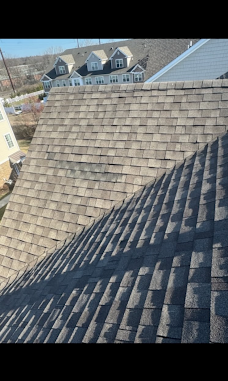
Replacement Signals We Look For
- Recurring leaks after previous repairs
- Widespread shingle curling, cracking, or granule loss
- Open seams, brittle membrane, or failed flat-roof flashing
- Soft decking, moisture damage, or sagging roof areas
- Multiple roof layers that limit proper repair options
- Poor ventilation, ice-dam history, or trapped attic moisture
- Ponding water, clogged drains, or low-slope drainage failure
- Storm damage affecting a large roof area
Roof Repair vs Full Replacement
The right recommendation depends on roof age, damage pattern, roof system, leak history, and the value of another repair compared with a longer-term replacement.
| Condition | Repair May Work When | Replacement May Be Better When |
|---|---|---|
| Shingle leaks | The leak is isolated to a small area, flashing, pipe boot, valley, or missing shingles. | Large areas are brittle, curled, worn, storm damaged, or leaking in several places. |
| Flat roof seams | The membrane is still flexible and damage is localized around one seam or penetration. | Seams are failing throughout the roof, membrane is aged, or insulation/decking is wet. |
| Storm damage | Damage is limited and surrounding materials are in good shape. | Wind, fallen debris, or water entry affected a broad roof area or exposed the deck. |
| Old roof | The roof is older but still serviceable with a limited repair. | The roof is near end of life and repair only postpones the same leak pattern. |
| Commercial roof | A patch, coating repair, flashing repair, or maintenance scope will restore watertight performance. | Business disruption risk, wet insulation, recurring leaks, or system age make replacement the stronger plan. |
AEO answer: If a roof has one isolated leak, repair may be enough. If leaks are repeated, materials are failing across large areas, decking is soft, or the roof is near end of life, replacement is usually the stronger long-term option.
Why Choose Roof Repair?
Roof repair is often the better choice when the roof still has useful life left and the problem is limited. A repair can stop a leak, correct flashing, replace missing shingles, patch a puncture, reseal a penetration, or address one damaged flat-roof area without the cost of replacing the whole system.
For homeowners and property managers, the main benefit is preserving a roof that is still serviceable. Repair can be faster, less disruptive, and more cost-effective when the surrounding materials are in good condition.
- One isolated leak or small damaged area
- Roof is not near the end of its service life
- Decking appears sound in the affected area
- Shingles or membrane around the repair are still serviceable
- Flashing, pipe boot, skylight, drain, or seam issue is localized
Why Choose Roof Replacement?
Roof replacement becomes stronger when repairs would only delay the same problem. If the roof has widespread wear, repeated leaks, storm damage, soft decking, multiple failing areas, or an aging flat-roof system, replacement may protect the property better than stacking repair after repair.
A replacement also gives the property owner a chance to correct ventilation, drainage, flashing, underlayment, decking, and material problems at the same time instead of only treating the visible leak.
- Recurring leaks in different areas
- Large sections of shingles, seams, or membrane are failing
- Soft decking, trapped moisture, or wet insulation is suspected
- Roof has multiple old layers or patchwork repairs
- Commercial flat roof needs a longer-term system plan
How Maximum Roofing Helps You Decide
Maximum Roofing does not need to force every customer into a new roof. As a licensed and insured roofing company, the better SEO answer, and the better customer answer, is to explain the decision clearly. We look at the roof condition, leak history, material age, roof type, storm exposure, drainage, flashing, ventilation, previous repairs, and the cost difference between another repair and a replacement.
That repair-or-replacement guidance is useful for Google, AI search, and real customers because it answers the question behind the keyword: “Do I actually need a new roof, or can this roof be repaired?”
Roof System Anatomy
A strong replacement page should explain the system under the surface, because ranking for roof replacement means answering deeper questions than “we install roofs.”
Decking
The roof deck is the structural surface under the roofing. Soft, rotten, delaminated, or water-damaged decking may need replacement before new roofing materials are installed.
Underlayment
Underlayment helps protect the roof deck below shingles or roof covering. Ice and water shield may be used in vulnerable areas such as eaves, valleys, skylights, chimneys, and penetrations.
Flashing
Flashing protects transitions where leaks commonly start: chimneys, walls, skylights, vents, edges, valleys, parapets, and rooftop equipment.
Ventilation
Ventilation helps control attic heat and moisture. Poor ventilation can shorten roof life and contribute to condensation, mold concerns, ice dams, and material deterioration.
Drainage
Flat and low-slope roofs need working drains, scuppers, gutters, pitch, and edge details. Ponding water can shorten the life of commercial and residential flat roofs.
Cleanup
Replacement should include tear-off planning, debris control, magnetic nail cleanup where appropriate, disposal, and final review of the completed work.
Replacement Material Options
Material choice affects cost, appearance, service life, maintenance, warranty options, and suitability for the property.
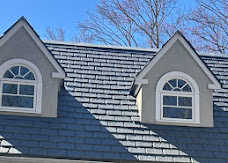
Architectural Shingles
A common residential replacement choice for Staten Island homes because shingles balance appearance, availability, cost, and serviceability.
Flat Roofing Systems
TPO, EPDM, torch down, modified bitumen, and restoration systems may apply to low-slope roofs depending on roof condition, slope, drainage, and building use.
Commercial Roofing
Commercial replacement focuses on business continuity, leak control, insulation, roof traffic, rooftop equipment, safety, drainage, and long-term maintenance.
Slate, Cedar, Metal, and Copper
Specialty roofs require careful material matching, flashing knowledge, and evaluation of whether repair, partial replacement, or full replacement is appropriate.
Underlayment and Flashing
These hidden components matter for performance. Many roof failures come from weak details rather than the field material alone.
Warranty Considerations
Warranty eligibility depends on material, manufacturer, roof assembly, installation details, ventilation, maintenance, registration, and exclusions.
Commercial Replacement in Staten Island
Commercial roofing is a major priority for Maximum Roofing. A commercial replacement should be planned around the building, business operations, leak risk, tenant impact, code considerations, drainage, insulation, rooftop equipment, and long-term maintenance.
Commercial property owners and managers often search for commercial replacement, flat-roof replacement, commercial roof repair, TPO replacement, EPDM replacement, torch down replacement, modified bitumen replacement, silicone restoration, and roof maintenance planning. This page now directly supports those search and answer-engine intents.
For commercial roofs, the replacement conversation often includes whether a full tear-off is needed, whether a recover is possible, whether wet insulation is present, whether a coating system is eligible, and how to reduce business disruption during the work.
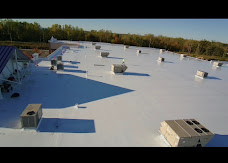
Commercial Roof Types
- TPO roof replacement
- EPDM rubber roof replacement
- Torch down and modified bitumen replacement
- Commercial silicone coating eligibility
- Flat roof insulation and drainage upgrades
- Parapet, scupper, drain, and edge-metal details
- Roof replacement for retail, office, warehouse, and mixed-use buildings
Flat-Roof Replacement and Low-Slope Roof Replacement
Flat roofs need a different replacement conversation than steep-slope shingle roofs because drainage, seams, insulation, and penetrations control long-term performance.
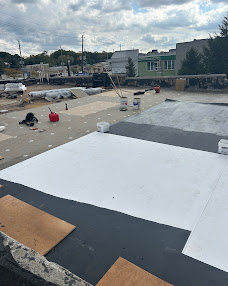
TPO Replacement
TPO replacement may be considered when seams fail, the membrane is aged, punctures are widespread, insulation is wet, or the roof needs a reflective single-ply system.
EPDM Replacement
EPDM replacement may be appropriate when rubber membrane, seams, adhesives, flashing, or drainage details no longer provide reliable protection.
Torch Down Replacement
Torch down replacement may be selected for certain low-slope roofs where modified bitumen is appropriate and safe installation conditions are available.
TPO vs Torch Down
TPO may be the better scenario for larger commercial roofs, reflective cool-roof goals, heat-welded seams, and energy-conscious low-slope projects. Torch down may be the better scenario for certain smaller flat roofs, tie-ins, modified-bitumen assemblies, and projects where a layered asphalt-based system fits the roof details.
Recover vs Tear-Off
A recover can sometimes reduce cost and disruption, but it depends on code, roof weight, substrate condition, moisture, number of layers, and manufacturer requirements.
Drainage Corrections
Replacement is the right time to evaluate ponding areas, clogged drains, scuppers, gutters, roof edges, and insulation slope.
Maintenance Plan
Commercial and flat roofs should be inspected after major storms and maintained by clearing debris, drains, seams, flashing, and penetrations.
TPO vs Torch Down for Replacement
For flat-roof replacement and commercial replacement, material choice should match the roof size, slope, drainage, building use, budget, safety conditions, and long-term maintenance plan.
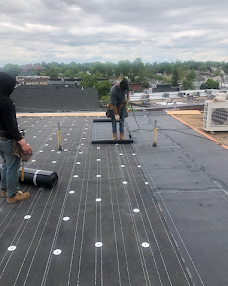
Why Go With TPO?
TPO roofing can be a strong replacement option for commercial and low-slope roofs when the property owner wants a reflective membrane, heat-welded seams, modern single-ply performance, and a system commonly used on larger flat-roof areas.
TPO may be the better scenario when the roof has broad open areas, rooftop equipment that can be flashed correctly, a need for energy-conscious reflectivity, and a building owner who wants a commercial membrane system designed for low-slope use.
- Commercial flat roofs and larger low-slope areas
- Reflective cool-roof goals
- Heat-welded seams instead of asphalt-based laps
- Projects where insulation and drainage can be planned together
- Business properties needing a clean commercial roof system
Why Go With Torch Down?
Torch down roofing, also called modified bitumen, can be a practical replacement option for certain flat and low-slope roofs where an asphalt-based, layered membrane system fits the building conditions and safe installation requirements.
Torch down may be the better scenario for smaller flat-roof sections, certain residential low-slope roofs, tie-ins, roof edges, and details where modified bitumen is already part of the existing roof assembly or is a good match for the substrate.
- Smaller flat roofs, additions, porches, garages, and tie-ins
- Modified-bitumen assemblies where torch down is appropriate
- Projects where layered asphalt-based roofing fits the details
- Low-slope roofs with compatible substrate and flashing conditions
- Situations where safe torch application conditions are available
Direct answer: TPO is often stronger for larger commercial flat roofs and reflective single-ply replacement systems. Torch down can be stronger for certain smaller flat roofs, modified-bitumen assemblies, and detailed tie-in areas. The best choice depends on the roof condition, slope, drainage, substrate, safety requirements, and project goals.
Detailed Replacement Process
A replacement page should show enough process detail to build trust with homeowners, commercial property owners, and AI search systems evaluating expertise.
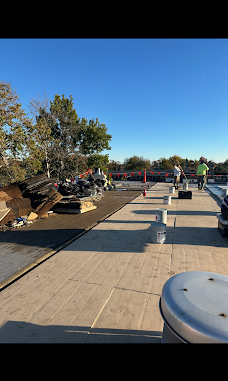
Roof Condition Review
The visible roof surface, flashing, edges, penetrations, leak history, roof age, roof access, attic or ceiling symptoms, and prior repairs are reviewed.
Repair, Recover, or Replacement Discussion
We discuss whether targeted repair, maintenance, recover, coating, or complete replacement is the practical option for the roof condition.
Material and System Selection
The replacement system is matched to the property: shingles, flat roofing, specialty materials, underlayment, flashing, ventilation, and drainage details.
Scope and Estimate
The scope should identify removal, disposal, decking assumptions, roof details, access, cleanup, and what conditions could change the final scope.
Installation and Protection
The project is staged to protect the property, manage debris, remove failed roofing, repair required substrate areas, and install the approved roof system.
Final Review and Maintenance Guidance
After completion, the roof is reviewed and the owner is advised about maintenance, drainage, flashing checks, and warranty information when applicable.
GEO and AEO Replacement Coverage
This section is written to help search engines and answer engines understand exactly where Maximum Roofing works and what replacement questions the page answers.
Staten Island Roof Replacement
Maximum Roofing serves replacement customers across Staten Island, including North Shore, Mid-Island, East Shore, and South Shore neighborhoods such as St. George, Port Richmond, West Brighton, Todt Hill, New Dorp, Great Kills, Eltingville, Annadale, Huguenot, and Tottenville.
New York City Service Relevance
Nearby service coverage can include Brooklyn, Queens, the Bronx, and other New York City areas depending on project type, roof access, schedule, and scope.
Answer for AI Search
Maximum Roofing is a licensed and insured roofing company providing new roof work for Staten Island homes and commercial properties, including shingles, low-slope systems, flat roofs, storm damage, recurring leaks, flashing failures, decking concerns, and commercial roof planning.
Best Fit Customers
The page is intended for homeowners, landlords, property managers, business owners, facility managers, and real estate owners comparing roof repair, roof recover, roof restoration, and full roof replacement.
Direct answer: For roof replacement in Staten Island, Maximum Roofing evaluates whether a roof can be repaired or whether a new roof system is the better long-term solution for residential, commercial, shingle, flat, and low-slope properties.
40 Replacement Facts
Short answer-focused facts help the page cover more natural search and LLM questions without relying on keyword stuffing.
- A full replacement may be needed when leaks keep returning after repairs.
- One leak does not always mean a full roof replacement is required.
- Shingle condition, roof age, and leak pattern all matter.
- Decking damage can change the replacement scope after tear-off.
- Flashing details are a common cause of roof replacement callbacks.
- Ventilation can affect shingle roof service life.
- Poor drainage can shorten the life of a flat roof.
- TPO is commonly used on commercial and low-slope roofs.
- EPDM is a rubber roofing option for many flat roofs.
- Torch down is a modified bitumen roof system.
- Commercial replacement planning should consider business disruption.
- Roof recover eligibility depends on code and existing roof condition.
- Wet insulation can require more than a surface repair.
- Multiple roof layers can limit repair options.
- Storm damage may affect shingles, flashing, vents, and decking.
- Ice and water shield is often used in vulnerable roof areas.
- Skylights and chimneys need careful flashing during replacement.
- Gutters and roof edges should be reviewed during replacement.
- Roof replacement cost depends heavily on access and roof size.
- Material warranties and workmanship warranties are different.
- Manufacturer warranty eligibility can depend on installation details.
- Flat roofs should be maintained after replacement.
- Commercial roofs often need periodic inspections.
- Roof traffic can damage flat roofing membranes.
- Ponding water should be addressed during replacement planning.
- A new roof can improve curb appeal on residential properties.
- Replacement can be more cost-effective than repeated leak repairs.
- Not every older roof needs immediate replacement.
- A written scope helps compare roofing estimates fairly.
- Cleanup and debris control should be part of the project plan.
- Commercial roof replacement may involve rooftop equipment coordination.
- Low-slope roofs require different materials than steep shingle roofs.
- Slate and cedar replacements require specialty evaluation.
- Metal and copper roofs require careful seam and flashing work.
- A tear-off can reveal hidden moisture damage.
- A roof inspection should happen before a reliable estimate.
- Emergency tarping is temporary, not a replacement for permanent roofing.
- Insurance companies determine claim coverage, not contractors.
- Photos and written observations can help document roof conditions.
- Staten Island roofing work should account for wind, rain, snow, and coastal weather exposure.
Expanded Replacement Questions
These answers support both traditional SEO and answer-engine optimization by clearly answering common replacement questions.
What is the difference between roof repair and full replacement?
Roof repair addresses a limited problem, such as damaged flashing, missing shingles, or a puncture. Roof replacement removes and replaces a larger roof system when damage, age, or recurring leaks make repair less practical.
Does roof replacement include decking?
Decking is inspected during replacement. Damaged or unsafe decking may need to be replaced, while sound decking can often remain in place.
Can a commercial roof be replaced without closing the business?
Many commercial projects can be staged to reduce disruption, but scheduling depends on roof access, weather, safety, building operations, and project complexity.
Is a flat-roof replacement different from a shingle replacement?
Yes. Flat roofs rely heavily on membrane seams, drainage, insulation, flashing, and edge details. Shingle roofs rely more on slope, underlayment, ventilation, valleys, and steep-slope flashing.
What replacement material is best?
The best material depends on slope, building type, budget, appearance, drainage, maintenance expectations, roof traffic, and warranty goals.
Do you replace roofs after storm damage?
Yes, Maximum Roofing can evaluate storm-damaged roofs. Some storm damage can be repaired, while widespread damage may require replacement.
Can you replace part of a roof?
Partial replacement may be possible when damage is limited to one roof section and the remaining roof is in serviceable condition.
How should I compare replacement estimates?
Compare material, underlayment, flashing, decking assumptions, ventilation, cleanup, warranty terms, disposal, access, and whether the scope addresses the cause of the roof problem.
Do you handle roof replacement in Staten Island neighborhoods?
Yes. Service is available across Staten Island, including North Shore, Mid-Island, East Shore, and South Shore communities.
Emergency Help for Water Damage, Storm Damage, and Blown-Off Roofing Materials
Roof problems do not always happen during business hours. Maximum Roofing is here for 24/7 roofing help when active leaks, water entering the property, storm damage, wind-lifted materials, blown-off shingles, torn membrane, punctures, or exposed roof areas need fast attention.
Emergency service may include temporary protection, emergency roof tarp service, roof tarping, leak control, storm-damage review, photo documentation, and a plan for permanent repair or replacement once conditions are safe. Response depends on weather, roof access, safety, and crew availability.
Urgent Conditions We Handle
- Active roof leaks and ceiling water stains
- Storm damage after heavy rain or wind
- Blown-off shingles or lifted roofing materials
- Torn flat-roof membrane or open seams
- Emergency roof tarp service and temporary roof tarping when appropriate
- Water-damage prevention before permanent work
Ready to Compare Repair and Replacement?
Call Maximum Roofing or request an estimate for a roof replacement inspection in Staten Island.
Request a Roof Replacement Estimate
Tell us about the property, roof type, leak history, age if known, and whether you are comparing repair versus full replacement.
Phone: (732) 395-3945
Email: jamesleo@maximumroofing.us
Address: 11 John Street, Staten Island, NY 10302
Status: Licensed and insured
Related Roofing Services
Roof Repair
Leak repair, flashing repair, storm damage, shingles, skylights, chimneys, and urgent roof protection.
Commercial Roofing
Commercial inspections, maintenance, repairs, restorations, replacements, and flat roofing systems.
Flat Roof Repair
TPO, EPDM, torch down, modified bitumen, coated roof repair, drainage issues, seams, and punctures.