Roof Repair in Staten Island, New York City & Westchester County
Maximum Roofing provides residential and commercial roof repair, emergency leak response, shingle repair, flat roof repair, TPO, EPDM, torch down, flashing, chimney, skylight, vent, storm-damage, and maintenance services.
We inspect the roof system, interior leak history, flashing, drainage, penetrations, roof edges, previous repairs, and surrounding materials before recommending the most practical repair.
Roof Repair Services
- Emergency roof leak inspection
- Residential shingle roof repair
- Commercial and flat roof repair
- TPO, EPDM, and torch down repair
- Flashing, chimney, skylight, and vent repair
- Storm, wind, branch, and debris damage
- Maintenance and replacement planning
Roofing work from Maximum Roofing
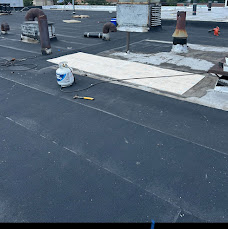
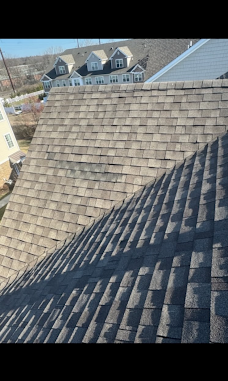
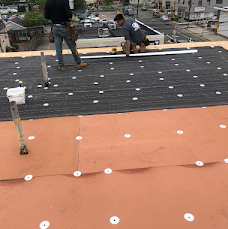
Photos from our roofing work, showing roof surfaces, installation stages, and details up close.
Roof Repair Starts With Finding the Real Cause
A roof leak may appear in one location while entering through another. Water can move under shingles, through insulation, across decking, along framing, through deck flutes, or inside wall cavities before it becomes visible indoors.
Maximum Roofing reviews the entire problem area rather than covering only the visible stain. Depending on the roof type, repair may involve shingles, underlayment, flashing, membranes, seams, laps, drains, skylights, chimneys, pipe boots, parapets, curbs, roof edges, coatings, or damaged decking.
When damage is isolated, repair may preserve the roof and extend its service life. When deterioration is widespread, moisture is trapped, or leaks keep returning, restoration or replacement planning may be the stronger long-term option.
Roof Repair at a Glance
| Category | Information |
|---|---|
| Roof types | Asphalt shingles, TPO, EPDM, torch down, modified bitumen, coated roofs, and other low-slope systems |
| Common services | Leak repair, flashing repair, membrane patching, seam and lap repair, shingle replacement, skylight and chimney repair |
| Common causes | Storms, aging, wind, punctures, clogged drainage, failed flashing, old patches, missing shingles, and rooftop work |
| Emergency priorities | Protect people, reduce interior damage, avoid unsafe roof access, document conditions, and schedule inspection |
| Repair or replacement | Determined by roof age, system condition, moisture, deck condition, repair history, and extent of damage |
| Service areas | Staten Island, Manhattan, Brooklyn, Queens, the Bronx, and Westchester County |
Complete Roof Repair Guide
- Roof Repair Services
- Emergency Leak Response
- Inspection Process
- Residential Roof Repair
- Commercial Roof Repair
- Flat Roof Repair
- Shingle Roof Repair
- Flashing, Chimney & Skylight Repair
- Storm and Wind Damage
- Repair vs. Replacement
- Warranty Guide
- Preventive Maintenance
- Roof Repair Cost Factors
- 40 Roof Repair Facts
- Frequently Asked Questions
- Service Areas
Roof Repair Services We Provide
Emergency Roof Repair
Inspection, temporary stabilization where appropriate, leak-source evaluation, documentation, and permanent repair planning.
Roof Leak Repair
Leaks around shingles, flashing, chimneys, skylights, vents, valleys, membranes, drains, and penetrations.
Shingle Roof Repair
Missing, lifted, cracked, damaged, or wind-affected shingles, ridge caps, valleys, and flashing details.
Flat Roof Repair
Open seams, punctures, splits, blisters, ponding areas, drain leaks, flashings, and membrane damage.
Flashing Repair
Walls, chimneys, skylights, roof edges, pipes, vents, curbs, parapets, and transitions.
Storm Damage Repair
Wind, branch, debris, rain, snow, ice, uplift, punctures, and displaced roofing materials.
What to Do During an Active Roof Leak
Immediate Safety Steps
- Keep people away from electrical and slip hazards
- Move valuables and equipment if safe
- Use containers to control dripping water
- Do not climb onto the roof during severe weather
- Document visible water and damage
Roofing Response
- Inspect when weather and access are safe
- Identify likely entry points
- Provide temporary stabilization where suitable
- Recommend permanent repair
- Review related interior and roof damage
Our Roof Repair Inspection Process
Review the Leak History
We ask when the leak appears, what weather conditions trigger it, and whether the area has been repaired before.
Inspect Interior Conditions
Ceiling stains, wall moisture, attic conditions, framing, insulation, and the location of active water can help narrow the search.
Inspect the Roof Surface
We review shingles, membranes, seams, laps, drains, flashing, penetrations, edges, valleys, skylights, chimneys, and old repairs.
Evaluate Moisture and Damage
Soft areas, wet insulation, deteriorated decking, corrosion, and repeated repair zones are considered.
Recommend the Repair
We explain the likely source, compatible repair method, maintenance needs, and whether larger work should be planned.
Residential Roof Repair
Missing or Lifted Shingles
Wind can loosen seals, lift shingles, expose fasteners, and create openings even when the shingle remains visible.
Chimney and Wall Leaks
Step flashing, counterflashing, masonry, sealants, and roof-to-wall transitions should be inspected together.
Skylight Leaks
Leaks may come from flashing, seals, cracked components, condensation, or surrounding roof damage.
Pipe Boots and Vents
Rubber gaskets, collars, flashing plates, sealants, and nearby shingles can deteriorate or become damaged.
Valley and Ridge Repairs
Valleys and ridge caps handle concentrated weather exposure and can leak when materials loosen or wear.
Garage, Porch and Addition Roofs
Low-slope residential areas may require membrane or modified-bitumen repair rather than standard shingle repair.
Commercial Roof Repair
Commercial leaks often involve large roof areas, rooftop equipment, parapets, drains, scuppers, penetrations, repeated service traffic, and multiple generations of roof materials.
Warehouses
Large drainage zones, long seam runs, multiple penetrations, and service traffic require organized inspection.
Apartment Buildings
Parapets, bulkheads, drains, skylights, vents, and shared rooftop spaces require detailed evaluation.
Retail and Offices
Repair planning should protect tenants, equipment, inventory, and normal operations.
Restaurants
Exhaust fans, grease exposure, vents, curbs, and frequent rooftop service can contribute to leaks.
Industrial Buildings
Large decks, equipment, heat, chemicals, and specialized penetrations can affect repair methods.
Schools and Community Facilities
Repairs often require careful scheduling, access control, documentation, and long-term planning.
Flat Roof Repair by System Type
| Roof System | Common Repair Areas | Related Page |
|---|---|---|
| TPO | Heat-welded seams, punctures, flashing, curbs, drains, edges, and membrane patches | TPO Roofing |
| EPDM | Seam tape, primer, punctures, membrane tension, flashing, terminations, and old patches | EPDM Roofing |
| Torch Down / Modified Bitumen | Splits, cracks, blisters, open laps, flashing, granule loss, and punctures | Torch Down Roofing |
| Silicone-Coated Roofs | Punctures, worn areas, failed details, seam reinforcement, coating damage, and drainage conditions | Silicone Roof Coatings |
| Commercial Flat Roofs | Drains, scuppers, parapets, curbs, penetrations, seams, laps, and maintenance damage | Commercial Roofing |
Common Shingle Roof Repairs
- Missing or wind-lifted shingles
- Cracked, broken, or punctured shingles
- Ridge-cap and hip-cap repairs
- Nail pops and exposed fasteners
- Valley and flashing repairs
- Roof-to-wall transition repairs
- Pipe boot, vent, and skylight flashing
- Localized underlayment and deck repairs
Important: Matching old shingles can be difficult because colors, granules, dimensions, and product lines change over time. Repair performance is more important than a perfect visual match.
Flashing, Chimney, Skylight and Vent Repair
Chimney Flashing
Step flashing, counterflashing, cricket areas, masonry joints, and roof transitions should be reviewed together.
Skylight Flashing
Head, side, and sill flashing, seals, curbs, glazing, and surrounding roof materials may contribute to leaks.
Pipe Boots and Vents
Cracked rubber, loose collars, failed sealants, damaged flashing plates, and nearby shingles can allow water entry.
Walls and Parapets
Base flashing, counterflashing, copings, reglets, membranes, masonry, and termination bars are common leak areas.
Storm, Wind, Branch and Debris Damage
Storm damage may include missing shingles, lifted seals, broken ridge caps, punctured membranes, damaged flashing, loose metal, displaced rooftop materials, clogged drainage, branch impact, and interior water intrusion.
Some damage is obvious, while other conditions are hidden. Wind can weaken shingle seals or membrane edges without removing materials completely. After major weather events, vulnerable roof areas should be inspected before the next storm.
We can document visible roof conditions, photos, and repair recommendations. Insurance coverage is controlled by the policy and carrier.
Roof Repair vs. Restoration vs. Replacement
| Option | May Be Appropriate When | Important Considerations |
|---|---|---|
| Localized repair | Damage is isolated and the surrounding roof remains serviceable. | The actual cause must be identified, and repair materials should be compatible. |
| Restoration | The roof is aging but structurally suitable, reasonably dry, and compatible with restoration. | Repairs, cleaning, preparation, moisture evaluation, and coating compatibility are required. |
| Partial replacement | One roof area is failing while other sections remain serviceable. | Transitions between old and new work require careful design. |
| Full replacement | There is widespread deterioration, repeated leakage, wet insulation, deck damage, or end-of-life materials. | Replacement allows damaged components to be removed and the assembly to be rebuilt. |
Roof Repair Warranty Guide
Contractor Workmanship Warranty
A workmanship warranty addresses the repair work described in the written agreement. Scope and duration depend on the repair type, surrounding roof condition, access, materials, and project terms.
Manufacturer Material Coverage
Some repair products may carry limited manufacturer coverage. Material coverage does not automatically include labor, leaks from unrelated roof areas, drainage problems, abuse, or existing system failures.
Existing Roof Limitations
A localized repair cannot guarantee unrelated portions of an older or deteriorated roof. The proposal should clearly identify the repair area, observed limitations, and recommended follow-up work.
- Keep written proposals and invoices
- Document the repaired roof area
- Report recurring leakage promptly
- Avoid unauthorized alterations
- Maintain drains and roof access areas
- Schedule follow-up inspection when recommended
Learn more in our roofing warranty guide.
How to Reduce Future Roof Leaks
Inspect After Storms
Wind, branches, debris, snow, and heavy rain can expose weak areas or create new damage.
Keep Drainage Clear
Clean gutters, drains, scuppers, and downspouts help water leave the roof.
Control Roof Traffic
Tools, service workers, equipment, and repeated walking can damage membranes and shingles.
Repair Small Defects Early
Loose flashing, punctures, missing shingles, and open seams can become larger problems.
Track Repair History
Photos and records help identify repeat leak locations and support long-term planning.
Schedule Regular Inspections
Periodic inspections help identify damage before interior leakage becomes severe.
What Affects Roof Repair Cost?
Roof Type
Shingles, TPO, EPDM, modified bitumen, coatings, metal, and flashing require different materials and methods.
Damage Size
A visible puncture differs from widespread wet insulation, damaged decking, or multiple leak areas.
Access and Safety
Roof height, pitch, occupied buildings, ladders, staging, equipment, and weather affect labor and planning.
Leak Complexity
Leaks around walls, skylights, chimneys, rooftop units, drains, and concealed transitions may require more investigation.
Material Matching
Older shingles and discontinued products may be difficult to match or source.
Moisture and Decking
Wet insulation, rot, corrosion, and damaged decking can expand the repair scope.
40 Roof Repair Facts
- Interior water stains may not be directly below the roof entry point.
- Water can move under roofing materials before becoming visible indoors.
- Small punctures can create large interior leaks.
- Failed flashing is a common cause of roof leakage.
- Chimney leaks may involve both roofing and masonry conditions.
- Skylight leaks may come from flashing, glazing, seals, or condensation.
- Wind can lift shingles without removing them completely.
- Missing ridge caps can expose vulnerable roof areas.
- Pipe boots commonly fail as rubber ages and cracks.
- Old sealant alone is not a complete flashing system.
- Valleys carry concentrated water flow.
- Clogged gutters can damage roof edges and fascia.
- Flat roof drains and scuppers should remain clear.
- Ponding water can stress low-slope roof systems.
- TPO repairs commonly use compatible membrane and heat welding.
- EPDM repairs commonly use primer, tape, and compatible flashing products.
- Modified bitumen repairs require compatible asphaltic materials.
- Coated roofs require compatible sealants and repair products.
- Roof traffic is a common cause of membrane punctures.
- HVAC service areas should be inspected after rooftop work.
- Loose metal can create both leak and wind hazards.
- Temporary repairs should be followed by permanent work.
- Wet insulation may need removal.
- Damaged decking can increase repair scope.
- Repair materials should be compatible with the existing roof.
- Old patches may conceal trapped moisture.
- Recurring leaks may indicate wider roof-system failure.
- Localized repair can extend roof service life.
- Restoration requires a suitable existing roof.
- Partial replacement may be practical for one failing roof section.
- Full replacement may be appropriate when damage is widespread.
- Roof warranties vary by project and written agreement.
- Manufacturer coverage is different from workmanship coverage.
- Unauthorized roof alterations can affect warranty coverage.
- Repair records support future maintenance planning.
- Storm inspections can identify hidden damage.
- Winter repairs depend on weather, safety, and product requirements.
- Do-it-yourself roof access can be dangerous.
- Insurance coverage is determined by the policy and carrier.
- Long-term roof performance depends on design, installation, repair, and maintenance.
Roof Repair Frequently Asked Questions
Do you provide roof repair in Staten Island?
Yes. Maximum Roofing provides residential and commercial roof repair throughout Staten Island and additional New York City service areas.
Do you offer emergency roof leak repair?
Yes. We provide emergency leak inspection, temporary stabilization where appropriate, and permanent repair planning.
How quickly should a roof leak be inspected?
As soon as safely possible. Ongoing water can damage insulation, decking, drywall, electrical systems, framing, and interior finishes.
Can a leaking roof be repaired?
Many leaks can be repaired when damage is isolated and the surrounding roof remains serviceable. Widespread damage may require larger work.
Do you repair shingle roofs?
Yes. We repair missing, lifted, cracked, and wind-damaged shingles, ridge caps, flashing, valleys, and related leak areas.
Do you repair flat roofs?
Yes. We repair TPO, EPDM, torch down, modified bitumen, coated roofs, and other commercial and residential low-slope systems.
Do you repair TPO roofs?
Yes. TPO repairs may include compatible membrane patches, heat-welded seam repair, flashing, curbs, drains, and penetrations.
Do you repair EPDM roofs?
Yes. EPDM repairs may include punctures, seam tape, primer, flashing, terminations, and compatible membrane patches.
Do you repair torch down roofs?
Yes. Torch down and modified bitumen repairs may include splits, cracks, blisters, open laps, flashing, and punctures.
Do you repair skylight leaks?
Yes. Skylight leaks may involve flashing, seals, glazing, condensation, or surrounding roof damage.
Do you repair chimney leaks?
Yes. Chimney leaks may involve step flashing, counterflashing, masonry joints, sealants, cricket areas, or nearby roof damage.
Can wind damage a roof without removing shingles?
Yes. Wind can weaken seals, lift edges, loosen fasteners, bend flashing, and create hidden openings.
Can storm damage be repaired?
Often yes. The repair depends on the roof type, damage extent, material availability, moisture, and surrounding roof condition.
Should I repair or replace my roof?
Repair may be appropriate for isolated damage. Replacement may be stronger when deterioration, moisture, or repeated leaks are widespread.
Can repairs be completed in winter?
Some repairs can be completed in cold weather, but safety, moisture, temperature, and product requirements control what is possible.
Do roof repairs come with warranties?
Repair warranties depend on the written agreement, repair type, materials, surrounding roof condition, and project limitations.
What affects roof repair cost?
Cost depends on roof type, damage size, access, safety, materials, leak complexity, moisture, and deck condition.
Do you provide commercial roof repair?
Yes. We repair roofs on warehouses, apartment buildings, retail properties, offices, restaurants, industrial buildings, and other facilities.
Do you provide residential roof repair?
Yes. We repair shingles, flashing, skylights, chimneys, vents, valleys, flat roof sections, and storm damage on homes.
How do I schedule roof repair?
Call (732) 395-3945, email jamesleo@maximumroofing.us, or submit the contact form on this page.
Roof Repair Service Areas
Maximum Roofing provides roof repair services for qualifying projects throughout the following areas. Availability depends on project type, scheduling, access, roof condition, and scope.
- Staten Island
- Manhattan
- Brooklyn
- Queens
- The Bronx
- Westchester County
Staten Island Neighborhood Coverage
We serve St. George, Tompkinsville, Stapleton, Rosebank, Port Richmond, West Brighton, Mariners Harbor, New Dorp, Dongan Hills, South Beach, Great Kills, Eltingville, Annadale, Huguenot, Tottenville, Rossville, Woodrow, Bulls Head, New Springville, Westerleigh, and surrounding areas.
Schedule a Roof Repair Inspection
Tell us about the leak, storm damage, roof type, building use, location, previous repairs, and current concerns. Maximum Roofing can inspect the roof and explain practical repair, maintenance, restoration, or replacement options.
Phone:
(732) 395-3945
Email:
jamesleo@maximumroofing.us