Residential Roofing in Staten Island, New York City & Westchester County
Maximum Roofing provides residential roof repair, replacement, inspections, maintenance, storm-damage service, and installation for asphalt shingles, slate, cedar, metal, and low-slope residential roof systems.
We inspect the complete roof system—including decking, underlayment, flashing, ventilation, chimneys, skylights, gutters, valleys, roof edges, flat sections, and previous repairs—before recommending work.
Residential Roofing Services
- Residential roof repair
- Complete roof replacement
- Asphalt shingle roofing
- Slate roofing
- Cedar shake and cedar shingle roofing
- Metal roofing
- Residential flat and low-slope roofing
- Storm damage, flashing, skylights, and chimneys
Residential roof details
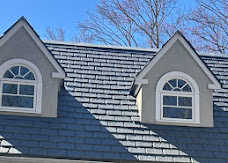
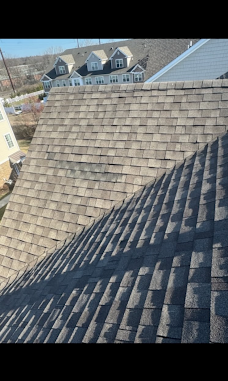
Photos from our roofing work, showing roof surfaces, installation stages, and details up close.
Residential Roofing Protects the Entire Home
A residential roof protects the structure, attic, insulation, ceilings, walls, electrical systems, finishes, and belongings inside the home. Roof performance depends on more than the visible roofing material.
The complete system may include decking, underlayment, ice-and-water membrane, starter strips, field shingles or specialty roofing, valleys, step flashing, counterflashing, drip edge, ridge materials, ventilation, gutters, skylights, chimneys, pipe boots, and low-slope roof sections.
Maximum Roofing helps homeowners determine whether the roof needs a targeted repair, maintenance, partial replacement, specialty-material work, or full replacement. Recommendations are based on roof condition, moisture, storm exposure, material type, age, ventilation, decking, flashing, and long-term goals.
Residential Roofing at a Glance
| Category | Information |
|---|---|
| Roofing materials | Asphalt shingles, slate, cedar shakes, cedar shingles, metal, TPO, EPDM, torch down, modified bitumen, and coatings |
| Common services | Repair, replacement, inspection, maintenance, flashing, ventilation, storm damage, skylights, chimneys, and gutters |
| Common leak sources | Missing shingles, valleys, step flashing, chimneys, skylights, pipe boots, low-slope seams, roof edges, and gutters |
| Planning options | Localized repair, specialty-material repair, partial replacement, full replacement, or maintenance |
| Inspection timing | After major storms, when leaks appear, before buying or selling, and periodically as the roof ages |
| Service areas | Staten Island, Manhattan, Brooklyn, Queens, the Bronx, and Westchester County |
Complete Residential Roofing Guide
- Residential Roofing Services
- Residential Roofing Materials
- Asphalt Shingles
- Slate Roofing
- Cedar Roofing
- Metal Roofing
- Residential Flat Roofing
- Residential Roof Repair
- Roof Replacement
- Roof Inspection Process
- Flashing, Chimneys & Skylights
- Attic Ventilation
- Storm Damage
- Roof Maintenance
- Warranty Guide
- 40 Residential Roofing Facts
- Frequently Asked Questions
- Service Areas
Residential Roofing Services
Roof Repair
Leaks, missing materials, flashing, skylights, chimneys, valleys, vents, flat sections, storm damage, and old repairs.
Roof Replacement
Complete replacement when the roof has reached the end of practical service or has widespread damage.
Specialty Roofing
Slate, cedar, metal, and project-specific roofing systems requiring specialized installation and repair methods.
Residential Flat Roofing
TPO, EPDM, torch down, modified bitumen, coatings, garage roofs, porches, additions, and low-slope sections.
Roof Inspections
Exterior roof review, attic observations where accessible, flashing, ventilation, drainage, and condition planning.
Storm and Emergency Service
Wind, branch, debris, heavy rain, snow, ice, temporary stabilization, documentation, and permanent repair planning.
Residential Roofing Materials We Work With
| Material | Common Characteristics | Project Considerations |
|---|---|---|
| Asphalt shingles | Widely used, available in architectural and premium styles, broad color selection | Ventilation, underlayment, flashing, roof slope, valleys, and manufacturer requirements |
| Natural slate | Stone roofing with long-term durability and distinctive appearance | Structural capacity, slate type, fastening, underlayment, copper or metal flashing, and skilled installation |
| Cedar shakes and shingles | Natural wood roofing with textured or uniform appearance depending on product | Ventilation, exposure, moisture, fire-treatment requirements, maintenance, flashing, and local code |
| Metal roofing | Standing seam and other residential metal systems with long panels or formed components | Expansion, fastening, underlayment, flashing, snow movement, condensation, and detail design |
| Low-slope membranes | TPO, EPDM, modified bitumen, torch down, and coatings for flat or low-slope sections | Drainage, seams, penetrations, insulation, flashing, and compatible repair methods |
Asphalt Shingle Roofing
Three-Tab Shingles
A traditional shingle style with a flatter, more uniform appearance. Availability varies by manufacturer and market.
Architectural Shingles
Dimensional laminated shingles are commonly selected for improved appearance and broader product options.
Designer and Premium Shingles
Premium products may imitate slate or cedar profiles and can require specific installation details.
Common Shingle Roof Repairs
- Missing or lifted shingles
- Cracked or broken shingles
- Ridge-cap and hip-cap repairs
- Valley and flashing repairs
- Pipe boot and vent repairs
- Roof-to-wall and chimney flashing
- Localized decking and underlayment repairs
Slate Roofing
Natural slate is a stone roofing material valued for its appearance, durability, and long service potential when the complete roof system is properly designed, installed, and maintained.
Slate roofing requires careful material handling, appropriate fastening, proper headlap, durable underlayment, well-designed valleys, and reliable flashing. Roof structure and deck condition should be evaluated because slate is heavier than many common roofing materials.
Slate Roof Installation
New slate installation, replacement planning, layout, fastening, underlayment, valleys, ridges, and flashing.
Slate Roof Repair
Broken or slipped slate replacement, flashing repairs, localized underlayment concerns, and storm-damage evaluation.
Historic and Detailed Roofs
Complex roofs may include dormers, turrets, copper work, masonry transitions, decorative ridges, and specialty details.
Important: Walking directly on slate can crack tiles. Slate inspection and repair should use methods appropriate for brittle, layered stone roofing.
Cedar Shake and Cedar Shingle Roofing
Cedar roofing provides a natural wood appearance and is available in different grades, cuts, thicknesses, and profiles. Cedar shakes are typically more textured, while cedar shingles are generally more uniform.
Cedar performance depends on material quality, exposure, spacing, fastening, ventilation, underlayment, roof slope, flashing, moisture conditions, and maintenance. Fire-treatment or code requirements may apply depending on the product and location.
Cedar Installation
New cedar shake or shingle installation with appropriate spacing, exposure, fasteners, underlayment, and flashing.
Cedar Repair
Split, missing, curled, decayed, or storm-damaged pieces, flashing repairs, and localized replacement.
Cedar Maintenance
Inspection for moisture retention, debris, moss, algae, splitting, fastener issues, ventilation, and adjacent tree conditions.
Important: Cedar should not be sealed with incompatible products that trap moisture. Product and maintenance choices should fit the specific cedar system.
Metal Roofing
Residential metal roofing may include standing-seam panels, formed metal systems, metal shingles, or specialty architectural details.
Standing Seam
Long panels with raised seams and concealed or system-specific attachment details.
Metal Roof Repair
Loose fasteners, failed sealants, damaged panels, flashing, valleys, penetrations, and transition details.
Metal Roof Planning
Underlayment, expansion, ventilation, condensation control, snow movement, panel layout, and flashing design.
Residential Flat and Low-Slope Roofing
Homes may include flat or low-slope sections over garages, porches, extensions, dormers, additions, rear rooms, and mixed roof assemblies.
TPO Roofing
Reflective thermoplastic membrane with heat-welded seams for suitable low-slope areas.
EPDM Roofing
Flexible synthetic rubber membrane installed with approved adhesives, tapes, fasteners, or ballast.
Torch Down Roofing
Modified bitumen roofing used on many flat and low-slope residential roof sections.
Residential Roof Repair
Active Leaks
Interior stains, attic moisture, dripping water, and recurring leaks require careful source evaluation.
Missing Materials
Missing shingles, slate, cedar, ridge pieces, flashing, and metal components should be repaired promptly.
Flashing Failure
Chimneys, skylights, walls, valleys, vents, dormers, and roof edges are common leak locations.
Storm Damage
Wind, branches, debris, hail, snow, and ice can damage both visible materials and concealed roof components.
Flat Roof Problems
Punctures, seams, splits, drains, blisters, ponding areas, and flashing can cause low-slope roof leaks.
Old Repairs
Previous patches should be checked for compatibility, trapped moisture, edge lifting, and recurring failure.
Residential Roof Replacement
Replacement may be appropriate when materials are near the end of practical service, damage is widespread, leaks keep returning, the deck is deteriorated, or repairs no longer provide reliable value.
Evaluate the Existing Roof
Roof material, age, leaks, ventilation, flashing, decking, underlayment, and previous repairs are reviewed.
Select the Roofing System
Material, appearance, budget, weight, slope, performance goals, and warranty requirements are considered.
Remove Existing Materials
Old roofing is removed as required so the deck and concealed conditions can be evaluated.
Repair the Deck
Soft, damaged, or unsuitable decking is repaired or replaced as needed.
Install the New Assembly
Underlayment, ice-and-water membrane, flashing, roofing material, ventilation, and accessories are installed.
Final Review and Cleanup
The roof, grounds, gutters, flashing, and completed details are reviewed before closeout.
Residential Roof Inspection Process
Exterior Roof Review
- Roofing material condition
- Ridges, hips, valleys, and roof edges
- Flashing, chimneys, skylights, and vents
- Gutters and drainage
- Storm, branch, and debris damage
- Flat and low-slope sections
Interior and Attic Review
- Visible stains or active water
- Decking and framing conditions where visible
- Insulation and moisture
- Ventilation openings
- Condensation indicators
- Previous leak and repair history
Flashing, Chimneys, Skylights and Roof Penetrations
Chimneys
Step flashing, counterflashing, crickets, masonry joints, caps, and nearby roofing materials.
Skylights
Head, sill, and side flashing, seals, curbs, glazing, condensation, and surrounding roofing.
Pipe Boots and Vents
Rubber gaskets, metal flanges, sealants, fasteners, and nearby shingles or membranes.
Roof-to-Wall Transitions
Step flashing, siding interfaces, counterflashing, kick-out flashing, and water-management details.
Attic Ventilation and Moisture Control
Attic ventilation helps manage heat and moisture when the roof and building are designed for a vented attic. Intake and exhaust should work together, and insulation should not block required airflow.
Poor ventilation, air leakage from the home, insufficient insulation, bathroom exhaust, interior humidity, and roof leaks can all contribute to condensation or moisture. Roofing work should not assume that every attic moisture problem is caused by exterior leakage.
- Soffit or low-level intake ventilation
- Ridge, box, or other exhaust ventilation
- Blocked ventilation paths
- Interior air leakage
- Bathroom and kitchen exhaust routing
- Insulation depth and placement
Residential Storm and Wind Damage
Storms can remove shingles, crack slate, split cedar, damage metal, puncture low-slope membranes, loosen flashing, bend gutters, and cause branches or debris to strike the roof.
Some wind damage is hidden. Materials may remain in place while seals, fasteners, edges, or flashing are weakened. A post-storm inspection can help identify conditions before the next rainfall.
Maximum Roofing can document visible conditions and repair recommendations. Insurance coverage is determined by the policy and carrier.
Residential Roof Maintenance
Clean Gutters and Drains
Blocked drainage can back water up at eaves, valleys, low-slope areas, fascia, and roof edges.
Trim Overhanging Branches
Branches can scrape, impact, shade, and deposit debris on the roof.
Inspect Flashing
Chimneys, skylights, walls, vents, valleys, and roof edges should be reviewed as the roof ages.
Check After Storms
Wind, snow, ice, and debris can create damage that is not visible from the ground.
Control Moss and Debris
Moisture-holding debris should be removed using methods appropriate for the roofing material.
Keep Records
Photos, invoices, warranty documents, inspections, and repair history support future planning.
Residential Roofing Warranty Guide
Manufacturer Material Warranty
Material warranties address qualifying product defects under written terms. Coverage varies by manufacturer, material, product line, registration, installation requirements, and exclusions.
Enhanced Manufacturer Warranty
Some systems may qualify for enhanced coverage when approved components, installer requirements, ventilation, registration, and other conditions are satisfied.
Contractor Workmanship Warranty
A workmanship warranty addresses the contractor's installation work under the written agreement and is separate from manufacturer coverage.
- Keep the proposal and warranty documents
- Complete registration when required
- Maintain the roof and drainage
- Report leaks promptly
- Use approved repair methods
- Document alterations and rooftop work
Learn more in our roofing warranty guide.
40 Residential Roofing Facts
- A residential roof is a complete system, not only the visible roofing material.
- Decking supports the roofing assembly.
- Underlayment provides a secondary water-management layer.
- Ice-and-water membrane is commonly used in vulnerable areas.
- Drip edge helps manage water at roof edges.
- Valleys carry concentrated water flow.
- Step flashing protects roof-to-wall transitions.
- Counterflashing helps protect masonry and wall transitions.
- Pipe boots commonly deteriorate over time.
- Skylight leaks may come from flashing, glazing, seals, or condensation.
- Chimney leaks may involve roofing and masonry.
- Wind can damage shingles without removing them completely.
- Slate can crack when walked on improperly.
- Natural slate roofs require suitable structural support.
- Slate repairs should match size, thickness, and fastening where practical.
- Cedar shakes are generally more textured than cedar shingles.
- Cedar performance depends on ventilation and moisture management.
- Cedar may require specific fire-treatment or code compliance.
- Metal roofing expands and contracts with temperature.
- Metal roof flashing must accommodate panel movement.
- Flat residential roof sections require low-slope materials.
- Shingles should not be installed below their approved slope limitations.
- Clogged gutters can damage fascia and roof edges.
- Attic condensation can resemble a roof leak.
- Bathroom exhaust should not terminate improperly in the attic.
- Balanced ventilation includes intake and exhaust.
- Missing shingles should be repaired promptly.
- Repeated leaks can indicate a wider roof problem.
- Localized repair may extend roof service life.
- Full replacement may be appropriate when damage is widespread.
- Material matching can be difficult on older roofs.
- Storm inspections can identify hidden damage.
- Tree branches can damage roofing and block drainage.
- Old patches may conceal moisture or deck damage.
- Roof warranties vary by product and written agreement.
- Manufacturer coverage differs from workmanship coverage.
- Unauthorized alterations can affect warranty coverage.
- Roof records help with maintenance and resale planning.
- Specialty roofing requires specialty repair methods.
- Long-term performance depends on design, installation, ventilation, flashing, and maintenance.
Residential Roofing Frequently Asked Questions
Do you provide residential roofing in Staten Island?
Yes. Maximum Roofing provides residential roof repair, replacement, inspections, maintenance, storm damage service, and installation throughout Staten Island.
What residential roofing materials do you work with?
We work with asphalt shingles, slate, cedar shakes, cedar shingles, metal, TPO, EPDM, torch down, modified bitumen, and coated low-slope systems.
Do you install slate roofing?
Yes. We provide slate roof installation, repair, replacement, flashing work, and maintenance for qualifying projects.
Do you install cedar roofing?
Yes. We provide cedar shake and cedar shingle installation, repair, replacement, flashing, and maintenance for qualifying projects.
Do you install metal roofing?
Yes. We provide residential metal roofing and related repair and replacement services for qualifying projects.
Do you install asphalt shingles?
Yes. We install and repair architectural, traditional, and premium asphalt shingle systems.
Do you repair residential flat roofs?
Yes. We repair TPO, EPDM, torch down, modified bitumen, coated roofs, garages, porches, additions, and other low-slope sections.
Can a roof be repaired instead of replaced?
Many roofs can be repaired when damage is isolated and the surrounding roof remains serviceable.
When is roof replacement more appropriate?
Replacement may be appropriate when deterioration, moisture, storm damage, deck problems, or repeated leakage are widespread.
Do you repair chimney leaks?
Yes. Chimney leaks may involve step flashing, counterflashing, crickets, masonry joints, caps, or nearby roofing materials.
Do you repair skylight leaks?
Yes. Skylight leaks may involve flashing, seals, glazing, curbs, condensation, or surrounding roof damage.
Do you repair pipe boots and vents?
Yes. We inspect and repair cracked gaskets, loose flanges, failed sealants, and surrounding roofing materials.
Do you inspect attic ventilation?
Yes. When accessible and relevant, we review intake, exhaust, insulation, moisture, and visible attic conditions.
Can attic condensation look like a roof leak?
Yes. Interior humidity, air leakage, poor ventilation, and exhaust problems can create attic moisture that resembles exterior leakage.
Do you repair storm damage?
Yes. We inspect and repair wind, branch, debris, snow, ice, hail, and rain-related roof damage.
Can you document visible storm damage?
Yes. We can document visible conditions and recommendations. Insurance coverage is determined by the policy and carrier.
Do you work on garages and porch roofs?
Yes. We repair and replace shingle, membrane, and modified-bitumen garage, porch, and addition roofs.
Do you work on dormers and complex roofs?
Yes. Dormers, turrets, valleys, roof-to-wall transitions, and mixed-material roofs require detailed flashing and material planning.
Do residential roofs come with warranties?
Qualifying projects may include manufacturer material or enhanced warranties and a separate contractor workmanship warranty.
How do I request an estimate?
Call (732) 395-3945, email jamesleo@maximumroofing.us, or submit the contact form on this page.
Residential Roofing Service Areas
Maximum Roofing provides residential roofing services for qualifying projects throughout the following areas. Availability depends on project type, scheduling, access, roof condition, and scope.
- Staten Island
- Manhattan
- Brooklyn
- Queens
- The Bronx
- Westchester County
Staten Island Neighborhood Coverage
We serve St. George, Tompkinsville, Stapleton, Rosebank, Port Richmond, West Brighton, Mariners Harbor, New Dorp, Dongan Hills, South Beach, Great Kills, Eltingville, Annadale, Huguenot, Tottenville, Rossville, Woodrow, Bulls Head, New Springville, Westerleigh, and surrounding areas.
Schedule a Residential Roof Inspection
Tell us about the roof type, leak history, age, storm damage, material preference, skylights, chimneys, flat sections, ventilation, and replacement goals. Maximum Roofing can inspect the roof and explain practical repair, maintenance, or replacement options.
Phone:
(732) 395-3945
Email:
jamesleo@maximumroofing.us