Flat Roof Repair in Staten Island, NY
Maximum Roofing provides flat roof repair, leak detection, emergency repairs, inspections, maintenance, and replacement recommendations for commercial and residential flat roofs across Staten Island.
We repair TPO, EPDM, torch down, modified bitumen, silicone-coated roofs, built-up roofs, garage roofs, apartment building roofs, warehouse roofs, restaurant roofs, and low-slope roofing systems.
Flat Roof Repair Services
- Flat roof leak repair
- Emergency roof repair
- TPO, EPDM and torch down repairs
- Flashing, seam and drain repairs
- Commercial and residential flat roofs
- Maintenance and roof inspections
Roofing work from Maximum Roofing
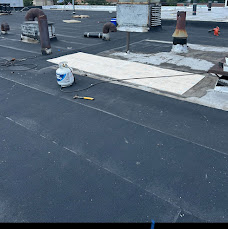
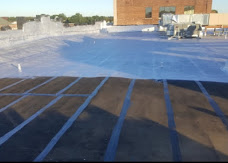
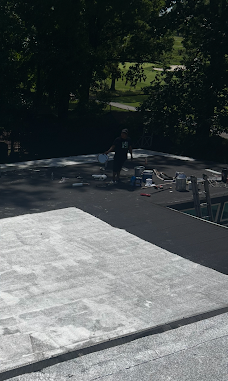
Photos from our roofing work, showing roof surfaces, installation stages, and details up close.
Project story: Commercial flat-roof replacement on Central Avenue, Jersey City.
Flat Roof Repair: Inspection, Leak Detection and Long-Term Solutions
Flat roof repair begins with identifying why water is entering the roofing system—not simply covering the area where a leak appears indoors. Maximum Roofing inspects the roof membrane, seams, flashing, drains, penetrations, insulation, previous repairs and drainage conditions before recommending a repair.
We repair commercial and residential flat roofing systems, including TPO, EPDM, torch-down roofing, modified bitumen, built-up roofing and silicone-coated roof systems. Depending on the roof’s condition, the appropriate solution may involve a localized membrane repair, seam restoration, flashing work, drainage correction, preventive maintenance, roof restoration or complete replacement planning.
Maximum Roofing serves property owners throughout Staten Island, Manhattan, Brooklyn, Queens, the Bronx and Westchester County. Project recommendations depend on the roofing system, moisture conditions, building use, roof access, weather exposure and the condition of the existing assembly.
Flat Roof Repair at a Glance
Roof Types
TPO, EPDM, Torch Down, Modified Bitumen, Built-Up Roofing (BUR), and Silicone Roof Coating systems.
Properties We Service
Commercial buildings, warehouses, apartment buildings, offices, restaurants, retail centers, and residential homes.
Common Problems
Roof leaks, ponding water, punctures, flashing failures, open seams, storm damage, and drainage issues.
Repair Services
Leak detection, membrane repairs, flashing repairs, drain repairs, emergency roof repairs, inspections, and maintenance.
Service Areas
Staten Island, Manhattan, Brooklyn, Queens, Bronx, and Westchester County.
Free Estimates
Professional roof inspections and honest recommendations based on the condition of your roof.
Reliable Flat Roof Repair for Homes and Commercial Buildings
Flat roofs need a different repair approach than steep-slope roofs. Water does not shed as quickly, seams and flashings work harder, drains matter more, and small damage can lead to major leaks if it is ignored.
Maximum Roofing inspects flat roofs carefully to identify likely leak sources and determine whether your roof needs a targeted repair, a maintenance plan, a restoration system, or replacement. We focus on practical recommendations based on the condition of the roof, not one-size-fits-all answers.
Whether your building is in Great Kills, Port Richmond, St. George, New Dorp, Tottenville, Eltingville, Annadale, Westerleigh, Huguenot, or anywhere else in Staten Island, we can inspect your flat roof and explain the best next step.
Flat Roof Problems We Repair
Active Roof Leaks
We inspect interior water stains, rooftop conditions, seams, drains, and penetrations to locate likely sources of leaks.
Ponding Water
Standing water can stress flat roofing systems and may point to clogged drains, poor slope, low areas, or drainage design issues.
Open Seams
Flat roof seams can separate from age, movement, installation problems, water exposure, or storm damage.
Failed Flashing
Parapet walls, roof edges, vents, skylights, drains, pipes, chimneys, and HVAC curbs all require reliable flashing.
Punctures and Tears
Foot traffic, tools, branches, rooftop equipment, and debris can puncture or tear flat roof membranes.
Blisters and Cracks
Age, trapped moisture, sun exposure, freeze-thaw movement, and previous repairs can cause bubbles, cracks, and splits.
Flat Roof Systems We Repair
| Roof System | Common Repairs | Related Page |
|---|---|---|
| TPO Roofing | Membrane repairs, seam repairs, punctures, flashing, and leak repairs. | TPO Roofing |
| EPDM Roofing | Rubber membrane punctures, seam problems, shrinkage, flashing, and edge details. | EPDM Roofing |
| Torch Down / Modified Bitumen | Cracks, splits, open seams, flashing problems, punctures, blisters, and old patch failures. | Torch Down Roofing |
| Silicone-Coated Roofs | Worn coating, punctures, drainage issues, seam areas, and recoating needs. | Silicone Roof Coatings |
| Commercial Flat Roofs | Leaks, storm damage, maintenance issues, rooftop equipment leaks, and roof restoration planning. | Commercial Roofing |
Our Flat Roof Repair Process
1. Interior and Exterior Review
We review where water appears inside and compare that with rooftop conditions because flat roof leaks can travel before showing up indoors.
2. Roof Surface Inspection
We check seams, drains, flashing, penetrations, rooftop equipment, membrane condition, ponding areas, punctures, and prior repairs.
3. Repair Recommendation
We explain whether the roof needs a small repair, larger repair, restoration, maintenance, or replacement planning.
4. Repair Work
Depending on the roof type, repairs may include seam work, membrane patches, flashing repair, drain area repair, coating touch-up, or modified bitumen repair.
5. Maintenance Guidance
After the repair, we explain how to reduce future leaks through cleaning, inspections, drain care, and early repair of small problems.
6. Replacement Planning if Needed
If the roof is beyond repair, we can recommend a replacement or restoration path that fits the building and roof condition.
Commercial and Residential Flat Roof Repair
Commercial Buildings
We repair flat roofs on offices, stores, warehouses, industrial buildings, restaurants, and mixed-use properties.
Apartment Buildings
We inspect and repair parapet walls, stair bulkheads, vents, roof drains, membrane leaks, and tenant-related leak issues.
Residential Flat Roofs
We repair garage roofs, porch roofs, dormers, extensions, additions, and low-slope home roofing areas.
Restaurants
Restaurant roofs often need special attention around exhaust vents, rooftop units, grease exposure, and penetrations.
Warehouses
Warehouse roofs often involve large areas, drainage problems, rooftop equipment, seams, and ongoing maintenance needs.
Retail Properties
We help retail properties reduce roof leaks while limiting disruption to business operations.
Flat Roof Repair vs. Restoration vs. Replacement
| Option | Best When | What to Know |
|---|---|---|
| Flat roof repair | The issue is isolated, such as one leak, one flashing problem, or limited membrane damage. | Often the fastest and most practical option when the roof still has useful life. |
| Flat roof restoration | The roof is aging but still structurally sound and not saturated with moisture. | Silicone coating or restoration may extend roof life with less disruption than replacement. |
| Flat roof replacement | The roof has widespread deterioration, wet insulation, major failures, or repeated leaks. | Replacement may be the stronger long-term solution when repairs no longer make sense. |
Flat Roof Repair vs Replacement
Deciding between repairing or replacing a flat roof depends on the age of the roofing system, amount of damage, moisture conditions, and overall roof performance. A professional inspection helps determine the best solution.
When Repair Makes Sense
Flat roof repairs are usually recommended for isolated problems such as leaks, damaged seams, flashing failures, punctures, or small membrane issues when the roof system is still performing.
When Restoration Is Needed
Roof restoration can extend service life when the roof is aging but still structurally sound. Coatings, repairs, and waterproofing systems may improve performance.
When Replacement Is Better
Replacement may be required when there is widespread deterioration, saturated insulation, major structural concerns, or repeated leaks that repairs cannot permanently solve.
Flat Roof Repair vs Replacement
Deciding between repairing or replacing a flat roof depends on the age of the roofing system, amount of damage, moisture conditions, and overall roof performance. A professional inspection helps determine the best solution.
When Repair Makes Sense
Flat roof repairs are usually recommended for isolated problems such as leaks, damaged seams, flashing failures, punctures, or small membrane issues when the roof system is still performing.
When Replacement Is Needed
Replacement may be needed when the roof has widespread deterioration, wet insulation, repeated leaks, structural concerns, or the repair costs continue increasing.
Professional Roof Evaluation
Maximum Roofing evaluates the membrane, seams, flashing, drainage, insulation, previous repairs, and overall roof condition before recommending repair or replacement.
Flat Roof Repair Service Areas in Staten Island
Maximum Roofing provides flat roof repair, leak detection, emergency repairs, inspections, and preventative maintenance throughout Staten Island and Richmond County. We work on commercial buildings, apartment complexes, warehouses, restaurants, retail properties, and residential flat roofs across the borough.
North Shore Flat Roof Repair
We provide flat roof repair in St. George, Tompkinsville, Stapleton, Clifton, Rosebank, Port Richmond, Mariners Harbor, West Brighton, and New Brighton. Common repairs include roof leaks, flashing repairs, membrane patches, drain issues, and preventative maintenance.
South Shore Flat Roof Repair
We serve Tottenville, Prince's Bay, Huguenot, Annadale, Eltingville, Great Kills, Charleston, Rossville, Woodrow, and Pleasant Plains. Property owners contact us for leak detection, emergency repairs, drainage problems, storm damage, and flat roof restoration recommendations.
Mid-Island & East Shore Flat Roof Repair
We also provide flat roof repair in New Springville, Bulls Head, Willowbrook, Graniteville, Westerleigh, Dongan Hills, New Dorp, Oakwood, Bay Terrace, South Beach, and nearby Staten Island neighborhoods. Our services include TPO repairs, EPDM repairs, torch down repairs, flashing replacement, membrane restoration, and roof inspections.
Flat Roof Repair Cost Factors
Flat roof repair cost depends on the roof and the source of the problem. A simple puncture repair is very different from a roof with wet insulation, clogged drains, multiple old patches, and failing flashing. We inspect the roof before recommending the right scope of work.
Leak Source
A visible puncture may be simpler than a leak caused by hidden drainage, flashing, or membrane problems.
Roof Type
TPO, EPDM, torch down, modified bitumen, and coated roofs each require different repair methods and materials.
Roof Condition
Older roofs with widespread deterioration may need more than a small patch to solve the problem properly.
Need Flat Roof Leak Repair in Staten Island?
Call Maximum Roofing for flat roof repair, emergency leak repair, commercial flat roof repair, inspections, and maintenance anywhere in Staten Island.
Related Roofing Services
Explore our related roofing services and learn more about flat roofing systems, repairs, and maintenance solutions from Maximum Roofing.
TPO Roofing
Learn about durable TPO roofing systems for commercial and flat roof applications.
EPDM Roofing
Explore EPDM rubber roofing installation, repairs, and maintenance options.
Torch Down Roofing
Discover modified bitumen torch down roofing solutions for flat roof properties.
Silicone Roof Coatings
Protect and extend flat roof life with professional silicone coating systems.
Roof Maintenance
Prevent leaks and extend roof performance with scheduled maintenance programs.
Roof Repair
Get help with roof leaks, damage, inspections, and repair solutions.
Understanding Flat Roof Anatomy
A flat roof is a complete roofing system made up of several important components working together to protect a building from water, weather, and temperature changes. Understanding these parts helps property owners recognize problems early and make better repair decisions.
Roof Membrane
The membrane is the waterproof layer that protects the building from rain, snow, and moisture intrusion. Common flat roof membranes include TPO, EPDM, modified bitumen, and coated roofing systems.
Flashing & Seams
Flashing protects vulnerable areas around walls, edges, vents, and rooftop penetrations. Proper seams and flashing details are critical to preventing leaks.
Drainage System
Drains, scuppers, and roof slopes help move water away from the surface. Poor drainage can lead to ponding water and premature roof failure.
Why Flat Roofs Leak
Flat roof leaks can develop for many reasons, including aging materials, damaged seams, poor drainage, flashing failures, and weather-related damage. Finding the true source of a leak is important because water often travels away from the original entry point before becoming visible inside a building.
Damaged Roof Membrane
Punctures, cracks, shrinking, and deterioration can allow water to penetrate the waterproof roofing layer. TPO, EPDM, modified bitumen, and coated systems all require proper repairs based on the material.
Failed Flashing and Seams
Roof edges, walls, vents, skylights, pipes, and rooftop penetrations depend on properly installed flashing and sealed seams to prevent leaks.
Drainage Problems
Clogged drains, blocked scuppers, poor slope, and ponding water can place additional stress on flat roofing systems and lead to leaks.
Storm and Weather Damage
Wind, heavy rain, snow, ice, and debris can damage flat roof membranes, flashing details, and exposed areas of the roofing system.
Age and Material Wear
Over time, roofing materials can become brittle, lose flexibility, and develop cracks, splits, or areas that require repair.
Previous Poor Repairs
Old patches or incorrect repair methods can hide the real problem and may contribute to recurring leaks.
Expert Flat Roof Repair Advice
A small flat roof problem can become a major repair when water reaches insulation, decking, walls, or interior areas. Early inspections help identify seam failures, flashing issues, drainage problems, and membrane damage before they become expensive.
Maximum Roofing recommends regular flat roof inspections, especially after heavy rain, storms, winter weather, or rooftop work. Preventive maintenance is one of the best ways to extend the life of a flat roofing system.
Flat Roof Repair Process
Professional flat roof repair starts with finding the actual cause of the problem. A visible leak inside a building does not always show where water entered the roofing system, so a complete inspection is important.
1. Roof Inspection
We inspect the membrane, seams, flashing, drains, penetrations, rooftop equipment, and areas where water may be entering.
2. Leak Detection
We identify damaged areas, moisture concerns, drainage problems, and conditions causing recurring leaks.
3. Repair Recommendation
We explain whether the roof needs a small repair, restoration, maintenance solution, or replacement planning.
4. Repair Work
Repairs may include membrane patches, seam repairs, flashing repairs, drain corrections, coating repairs, or other system-specific solutions.
5. Final Review
After repairs, we review completed work and provide guidance to help reduce future leaks.
6. Maintenance Planning
Regular inspections and preventive maintenance help extend flat roof performance and protect the building.
Flat Roof Repair Materials Overview
Flat roof repairs require the correct materials based on the existing roofing system, roof condition, and type of damage. Using compatible repair materials helps maintain waterproof protection and extend roof life.
TPO Roofing Repairs
TPO roof repairs may include membrane patches, heat-welded seams, flashing repairs, and replacement of damaged sections.
EPDM Rubber Roof Repairs
EPDM systems may require rubber patches, seam treatments, flashing repairs, and solutions designed for long-term weather resistance.
Modified Bitumen Repairs
Modified bitumen roofs may need membrane repairs, flashing work, reinforcement, or repairs to damaged roofing layers.
Silicone Roof Coatings
Silicone coatings can help restore aging roof surfaces, seal problem areas, and improve waterproof protection when properly applied.
Roof Sealants and Flashing
Professional sealants and flashing materials help protect seams, edges, penetrations, vents, and transitions from water intrusion.
Drainage Repair Materials
Drain improvements, scupper repairs, and slope corrections can help reduce ponding water and prevent future flat roof problems.
Flat Roof Flashing Details
Flashing is one of the most important parts of a flat roofing system. Proper flashing protects areas where the roof meets walls, vents, pipes, edges, and other penetrations where water can enter.
Wall Flashing
Wall flashing helps prevent water from entering where the roof meets exterior walls, parapets, and building transitions.
Pipe and Vent Flashing
Roof penetrations require properly sealed flashing systems to reduce leaks around pipes, vents, and rooftop equipment.
Edge Flashing
Roof edges need protection from wind, rain, and water movement to help maintain the integrity of the roofing system.
Flat Roof Expansion Joints
Expansion joints allow roofing systems and buildings to move naturally with temperature changes, settling, and structural movement. Properly maintained expansion joints help prevent stress cracks and water leaks.
Why Expansion Joints Matter
Roofing materials expand and contract with changing temperatures. Expansion joints reduce stress on membranes, seams, and connections.
Common Expansion Joint Problems
Damaged covers, failed seals, aging materials, and improper installation can allow water intrusion and roof damage.
Expansion Joint Repairs
Repairs may include replacing damaged components, resealing joints, and restoring waterproof protection around movement areas.
Flat Roof Moisture Testing
Moisture testing helps identify hidden water damage beneath the roof surface. Finding trapped moisture early can prevent larger problems involving insulation, decking, and the overall roofing system.
Finding Hidden Moisture
Moisture testing can locate areas where water has entered beneath the roofing membrane but is not visible from the surface.
Protecting Roof Structure
Identifying wet insulation and damaged areas helps protect the roof deck and prevent further deterioration.
Repair Planning
Testing results help determine whether a roof needs localized repairs, restoration, or more extensive replacement work.
Roof Drainage & Ponding Water Problems
Proper drainage is one of the most important parts of a flat roofing system. Unlike steep roofs, flat roofs rely on drains, scuppers, gutters, and roof slopes to move water away from the building.
When water remains on a flat roof after rainfall, it can create ponding water that increases stress on membranes, seams, insulation, and flashing details. Long-term drainage problems can shorten roof life and contribute to leaks.
Clogged Roof Drains
Leaves, debris, and buildup can block drains and prevent water from leaving the roof surface properly.
Ponding Water Areas
Low areas where water collects may indicate drainage issues, roof movement, or insufficient slope.
Drainage Repairs
Repairs may include drain cleaning, drainage improvements, membrane repairs, flashing repairs, or restoration solutions.
Flat Roof Inspection Checklist
A detailed flat roof inspection helps identify problems before they become major repairs. Inspecting key roofing components can reveal leaks, damage, drainage issues, and areas requiring maintenance.
Roof Membrane Condition
Check for cracks, punctures, blisters, shrinkage, worn areas, and damage to TPO, EPDM, modified bitumen, or coating systems.
Flashing and Seams
Inspect wall flashing, pipe penetrations, vents, edges, and seams where water intrusion commonly begins.
Drainage Systems
Check drains, scuppers, gutters, and roof slopes to make sure water is properly moving away from the building.
Ponding Water
Look for standing water areas that may indicate drainage problems, roof movement, or insufficient slope.
Interior Signs of Leaks
Inspect ceilings, walls, insulation areas, and interior spaces for stains, moisture, mold, or signs of water damage.
Preventive Maintenance
Regular inspections help extend roof life and allow small issues to be corrected before expensive damage develops.
Flat Roof Repair Timeline
The time required for flat roof repairs depends on the size of the problem, roofing material, weather conditions, accessibility, and the overall condition of the roof system.
Inspection Time
Roof inspections can often be completed quickly while identifying leaks, damaged materials, drainage issues, and repair needs.
Small Repairs
Minor repairs such as seam repairs, flashing fixes, patches, or small leak corrections may often be completed in a short timeframe.
Larger Repairs
Extensive repairs involving damaged membranes, insulation, drainage, or multiple areas may require additional time and planning.
Weather Conditions
Rain, cold temperatures, wind, and unsafe roof conditions can affect the timing of certain flat roof repairs.
Material Availability
Repair timelines can depend on the availability of compatible roofing materials and manufacturer-approved products.
Final Inspection
After repairs are completed, a final review helps confirm the work was properly performed and future maintenance needs are understood.
Flat Roof Repair vs Replacement
Deciding between repairing or replacing a flat roof depends on the age of the roofing system, amount of damage, moisture levels, and overall roof condition. A professional inspection helps determine the best solution.
When Repair Makes Sense
Repairs are often the right choice when damage is limited to specific areas such as leaks, damaged seams, flashing failures, punctures, or drainage problems.
When Replacement Is Needed
Replacement may be recommended when the roof has widespread damage, repeated leaks, failing materials, moisture damage, or has reached the end of its expected service life.
Roof Condition Evaluation
The final decision depends on the membrane condition, insulation, structural concerns, drainage performance, and previous repair history.
Flat Roof Repair FAQs
Do you provide flat roof repair in Staten Island?
Yes. Maximum Roofing provides flat roof repair throughout Staten Island for homes, commercial buildings, apartments, warehouses, restaurants, retail properties, and low-slope roof systems.
What types of flat roofs do you repair?
We repair TPO, EPDM, torch down, modified bitumen, built-up roofing, silicone-coated roofs, and many low-slope commercial and residential roof systems.
Can you repair a flat roof leak?
Yes. We inspect and repair flat roof leaks caused by open seams, flashing failure, punctures, ponding water, drain problems, membrane damage, and roof penetrations.
Do you offer emergency flat roof repair?
Yes. We provide emergency flat roof leak inspections and repair services to help reduce water intrusion and protect your building.
How do I know where my flat roof is leaking?
Flat roof leaks can travel before appearing inside. We inspect seams, drains, flashing, roof penetrations, membrane damage, soft spots, and ponding areas to find likely leak sources.
What causes flat roof leaks?
Common causes include open seams, clogged drains, ponding water, cracked membrane, punctures, failed flashing, storm damage, old patches, and poor installation.
What is ponding water on a flat roof?
Ponding water is standing water that remains on the roof after rainfall. It can stress the roof membrane, seams, insulation, and drainage system.
Can ponding water be repaired?
Sometimes. Repairs may include clearing drains, improving drainage, adding crickets or tapered insulation during larger work, repairing low areas, or choosing a coating system that handles occasional ponding.
Can you repair TPO flat roofs?
Yes. We repair TPO membrane roofs, including seams, punctures, flashing, roof penetrations, and leak-prone areas.
Can you repair EPDM flat roofs?
Yes. We repair EPDM rubber roofs, including membrane punctures, seam problems, flashing details, and aging rubber roof areas.
Can you repair torch down flat roofs?
Yes. We repair torch down and modified bitumen flat roofs, including cracks, splits, open seams, flashing problems, and leak areas.
Can you repair silicone-coated flat roofs?
Yes. We inspect and repair silicone-coated roofs, including punctures, worn areas, seams, drainage issues, and coating damage.
When should a flat roof be repaired instead of replaced?
Repair may be the right choice when the roof has isolated issues and the overall roof system is still performing.
When should a flat roof be replaced?
Replacement may be needed when the roof has widespread deterioration, wet insulation, structural issues, repeated leaks, or repair costs no longer make sense.
Can a flat roof be restored instead of replaced?
Sometimes. If the roof is structurally sound and not saturated, restoration with coating or targeted repairs may extend roof life.
How long does flat roof repair take?
Small repairs may be completed quickly, while larger repairs depend on roof condition, access, weather, materials, and leak complexity.
Can you repair flat roofs in winter?
Some emergency repairs can be performed in colder weather, but permanent repairs depend on temperature, moisture, safety, and product requirements.
Do flat roof repairs need maintenance afterward?
Yes. Flat roofs should be inspected, cleaned, and maintained regularly to reduce future leaks and extend roof life.
How often should a flat roof be inspected?
Flat roofs should generally be inspected at least once or twice per year and after major storms, high winds, heavy rain, snow, or rooftop work.
What signs show my flat roof needs repair?
Warning signs include leaks, ceiling stains, ponding water, bubbles, cracks, open seams, loose flashing, soft spots, mold, and recurring interior moisture.
Can you repair commercial flat roofs?
Yes. We provide commercial flat roof repair for warehouses, offices, retail buildings, restaurants, apartment buildings, and industrial properties.
Can you repair residential flat roofs?
Yes. We repair residential flat roofs, garage roofs, porch roofs, extensions, dormers, additions, and low-slope areas.
Do you repair apartment building flat roofs?
Yes. We repair multifamily and apartment building flat roofs, including parapet walls, stair bulkheads, vents, drains, and roof membranes.
Do you repair warehouse flat roofs?
Yes. We provide warehouse flat roof leak repair, inspections, maintenance, coatings, and replacement recommendations.
Do you repair restaurant flat roofs?
Yes. We repair restaurant roofs around exhaust vents, rooftop HVAC units, grease-affected areas, penetrations, seams, and flashing.
Do you repair roof drains?
Yes. We inspect drains, scuppers, gutters, downspouts, and drainage areas that contribute to flat roof leaks and ponding water.
Do you repair roof flashing?
Yes. Flashing around walls, edges, skylights, vents, pipes, chimneys, HVAC units, and parapets is a major part of flat roof repair.
Do you repair storm damage?
Yes. We inspect and repair flat roof damage from wind, rain, snow, branches, debris, punctures, and storm-related water intrusion.
What does flat roof repair cost?
Cost depends on roof size, leak source, roof type, access, materials, repair complexity, flashing details, drainage, and whether the issue is isolated or widespread.
Can you give a free estimate?
Yes. Call (732) 395-3945 or email jamesleo@maximumroofing.us to request a free flat roof repair estimate in Staten Island.
Do you serve Port Richmond?
Yes. We provide flat roof repair in Port Richmond and nearby Staten Island neighborhoods.
Do you serve Great Kills?
Yes. We provide flat roof leak repair, inspections, and maintenance in Great Kills.
Do you serve Tottenville?
Yes. Maximum Roofing repairs flat roofs for homes and commercial buildings in Tottenville.
Do you serve St. George?
Yes. We provide flat roof repair across St. George and the North Shore.
Do you serve New Dorp?
Yes. We repair commercial and residential flat roofs in New Dorp and nearby Mid-Island neighborhoods.
Do you serve Eltingville?
Yes. We provide flat roof leak repair and inspections in Eltingville.
Do you serve all of Staten Island?
Yes. We serve the North Shore, South Shore, East Shore, Mid-Island, and every major Staten Island neighborhood.
Why choose Maximum Roofing for flat roof repair?
Maximum Roofing focuses on careful inspections, honest recommendations, clean repairs, responsive communication, and practical flat roofing solutions.
How do I schedule a flat roof inspection?
Call (732) 395-3945, email jamesleo@maximumroofing.us, or submit the contact form on this page to schedule a flat roof inspection.
Can you help prevent future flat roof leaks?
Yes. We can recommend maintenance, drainage improvements, seam repairs, flashing repairs, coating options, or replacement planning based on the roof condition.
Request Your Free Staten Island Flat Roof Repair Estimate
Tell us about your flat roof, leak, building type, and location. We’ll inspect the roof and recommend repair, restoration, maintenance, or replacement based on what your roof actually needs.
Phone: (732) 395-3945
Email: jamesleo@maximumroofing.us