TPO Roofing in Staten Island, New York City & Westchester County
Maximum Roofing provides TPO roof installation, repair, replacement, inspection, and maintenance for commercial buildings, apartment properties, warehouses, retail facilities, restaurants, offices, and residential low-slope roofs.
This guide explains how TPO roofing works, how the roof surface should be prepared, how seams are welded, what affects lifespan and warranty coverage, and when repair or replacement may be appropriate.
TPO Roofing Services
- New TPO roof installation
- TPO membrane replacement
- Leak, seam, and puncture repair
- Flashing and penetration repairs
- Commercial roof inspections
- Maintenance and replacement planning
Roofing work from Maximum Roofing
Photos from our roofing work, showing roof surfaces, installation stages, and details up close.
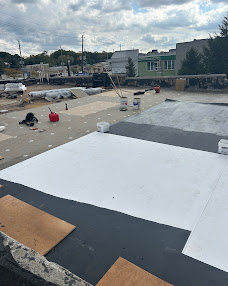
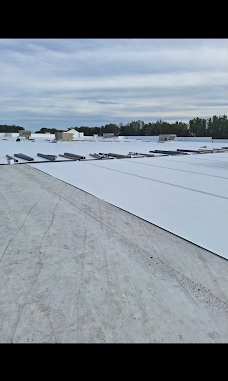
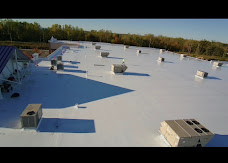
What Property Owners Should Know About TPO Roofing
TPO, short for thermoplastic polyolefin, is a reinforced single-ply roofing membrane commonly used on flat and low-slope roofs. Large sheets of membrane are secured over insulation or a cover board, and the seams are joined with controlled hot-air welding equipment.
A complete TPO roofing assembly is more than the visible white membrane. It may include the roof deck, air or vapor control layers, insulation, tapered insulation, cover board, fasteners or adhesive, membrane, flashings, edge metal, drains, scuppers, walk pads, and penetration details. Long-term performance depends on the design and installation of the entire assembly.
TPO may be used for new construction, full replacement, recover projects, and localized repair when the existing membrane remains serviceable. Before recommending work, Maximum Roofing evaluates roof moisture, drainage, deck condition, insulation, existing repairs, flashing, roof traffic, rooftop equipment, and the overall condition of the system.
TPO Roofing at a Glance
| Category | Information |
|---|---|
| Roofing type | Reinforced single-ply thermoplastic membrane |
| Common uses | Warehouses, offices, apartment buildings, retail, restaurants, schools, industrial facilities, and low-slope residential roofs |
| Common thicknesses | 45 mil, 60 mil, and 80 mil, with additional specialty options depending on manufacturer |
| Common colors | White, tan, and gray |
| Attachment methods | Mechanically attached, fully adhered, or induction-welded systems |
| Seam method | Hot-air welded thermoplastic seams |
| Typical planning range | Many properly designed and maintained systems are planned around 20–30 years, but actual service life varies |
| Maintenance | Routine inspections, drain cleaning, debris removal, seam and flashing review, and prompt puncture repair |
Complete TPO Roofing Guide
- What TPO Roofing Is
- TPO Roof Anatomy
- Benefits and Limitations
- Surface Preparation
- Installation Process
- Attachment Methods
- Heat-Welded Seams
- Membrane Thickness
- Manufacturers
- Warranty Guide
- Lifespan Factors
- TPO Repair Services
- Maintenance Schedule
- Repair vs. Replacement
- 40 TPO Roofing Facts
- Frequently Asked Questions
- Service Areas
What Is TPO Roofing?
TPO is a thermoplastic roofing membrane reinforced with an internal scrim. It is manufactured in factory-controlled rolls and installed in sheets across the roof. Because it is thermoplastic, the material can be softened with hot air and fused at seams and flashing details.
TPO should not be viewed as a stand-alone sheet. Its performance depends on the supporting assembly beneath it, including deck condition, insulation attachment, cover boards, drainage, flashing, edge securement, and roof penetrations.
Maximum Roofing expert tip: A roof leak may appear far from the actual entry point. On TPO roofs, seams, drains, curb flashings, pipe penetrations, parapet transitions, and old repair areas should all be evaluated before a repair is selected.
TPO Roof Anatomy
Roof Deck
The structural surface supporting the assembly. Common decks include steel, wood, concrete, and gypsum-based systems.
Air or Vapor Control
Project-specific layers may be used to manage air movement, interior moisture, and condensation risk.
Insulation
Rigid insulation provides thermal resistance and may be arranged to create positive drainage toward drains or scuppers.
Cover Board
A cover board can improve surface stability and help protect insulation from impact, traffic, and localized stress.
TPO Membrane
The exposed waterproofing layer, commonly supplied in white, tan, or gray and in multiple thicknesses.
Flashings and Edge Metal
Walls, curbs, pipes, drains, skylights, edges, and transitions require system-compatible detailing.
TPO Roofing Benefits and Limitations
Potential Benefits
- Heat-welded seams
- Reflective membrane options
- Single-ply installation
- Multiple attachment methods
- Repairable thermoplastic surface
- Compatibility with many commercial roof assemblies
- Multiple membrane thickness options
Important Limitations
- Installation quality has a major effect on performance
- Punctures can occur from tools, traffic, or equipment
- Poor drainage can shorten service life
- Wet insulation may require removal
- Improperly welded seams may leak
- Not every existing roof is suitable for a recover system
- Warranty eligibility may require approved details and inspections
Surface Preparation Before TPO Installation
TPO should not be installed over a surface that is wet, unstable, contaminated, severely damaged, or incapable of supporting the new roof assembly. Preparation is one of the most important stages of the project.
Existing Roof Inspection
The existing membrane, flashing, drains, insulation, deck, old patches, penetrations, rooftop equipment, and interior leak history should be evaluated. Soft, loose, deteriorated, or moisture-damaged areas may need removal or repair.
Cleaning
Dirt, dust, loose gravel, oil, grease, leaves, metal fragments, construction debris, and other contaminants should be removed. A clean work area supports proper fastening, adhesion, flashing, and welding.
Moisture Evaluation
Trapped moisture can damage insulation, reduce thermal performance, contribute to corrosion or deck deterioration, and lead to future problems. The appropriate evaluation method depends on the existing assembly and project scope.
Deck and Substrate Repairs
Rusted steel, deteriorated wood, damaged concrete, loose fasteners, soft areas, and structural movement should be corrected as required before the new roofing assembly is installed.
Drainage Review
Drains, scuppers, gutters, downspouts, overflow outlets, crickets, and low areas should be reviewed. Tapered insulation or other drainage work may be recommended where appropriate.
Weather Conditions
Rain, snow, frost, surface moisture, high winds, and temperatures outside product limitations can interfere with safe installation, adhesives, primers, and hot-air welding.
How a TPO Roofing System Is Installed
Inspection and Scope Development
The existing roof, deck, insulation, drainage, penetrations, edges, and rooftop equipment are reviewed.
Tear-Off or Recover Preparation
Unsuitable materials are removed, and approved existing surfaces are cleaned and prepared when a recover design is appropriate.
Deck Repairs
Damaged decking and unstable areas are repaired or replaced as required by the project.
Insulation and Cover Board
Insulation and cover boards are fitted, staggered where required, and secured according to the system design.
Membrane Placement
TPO sheets are positioned to control wrinkles, avoid unnecessary seams, and allow proper detailing at walls, edges, and penetrations.
Attachment
The membrane is mechanically attached, fully adhered, or induction welded depending on the approved system.
Heat-Welded Seams
Overlapping membrane sheets are welded with controlled hot air and checked for continuity.
Flashing and Details
Curbs, pipes, drains, walls, corners, skylights, and roof edges are completed using compatible components and details.
Final Inspection
Seams, flashings, drains, terminations, edge metal, and completed roof areas are reviewed before project closeout.
TPO Attachment Methods
Mechanically Attached
Fasteners and plates secure the membrane or insulation to the roof deck. Sheet layout and fastener patterns depend on the design and wind-uplift requirements.
Fully Adhered
Approved bonding adhesive secures the membrane to a suitable insulation facer or cover board. Surface condition and adhesive application are critical.
Induction Welded
Special plates are secured below the membrane and bonded to it with induction equipment, reducing exposed attachment points in the field of the roof.
How TPO Seams Are Heat-Welded
TPO sheets overlap at seams. A hot-air welder softens the upper and lower membrane surfaces while pressure fuses them together. The goal is a continuous, uniform weld across the seam.
Welding settings may need adjustment for membrane thickness, ambient temperature, wind, equipment speed, power supply, surface condition, and manufacturer requirements. Test welds are commonly used to help confirm proper settings before production work continues.
Completed seams are checked using appropriate inspection techniques. Corners, T-joints, end laps, patches, and flashing transitions require careful detailing because they contain multiple layers or changes in direction.
TPO Membrane Thickness Options
| Thickness | Typical Considerations | What to Know |
|---|---|---|
| 45 mil | Budget-sensitive projects and lower-demand conditions | System design, warranty eligibility, traffic, and project requirements should be reviewed carefully. |
| 60 mil | Common commercial roofing applications | Often selected as a balance between cost, membrane thickness, and long-term performance goals. |
| 80 mil | Higher-demand roofs, greater traffic, or longer-term planning | Thicker membrane does not replace proper drainage, detailing, installation, or maintenance. |
Major TPO Roofing Manufacturers
Product lines, colors, accessories, system approvals, installer requirements, and warranty programs change over time. Current manufacturer documents should always be reviewed for the specific project.
Carlisle SynTec Systems
Commercial single-ply membranes, insulation, cover boards, flashings, fasteners, adhesives, and accessories.
GAF
TPO membranes and compatible commercial roofing components for a range of low-slope applications.
Elevate
Commercial roofing systems and accessories formerly associated with Firestone Building Products.
Johns Manville
TPO membranes, insulation, cover boards, and commercial roofing system components.
Versico
Commercial TPO roofing systems, flashings, accessories, and technical resources.
Mule-Hide Products
TPO membranes and a broad range of commercial roofing installation products and accessories.
TPO Roofing Warranties
TPO warranty coverage depends on the manufacturer, product line, membrane thickness, system design, deck type, attachment method, accessories, project size, approved installer requirements, inspections, registration, and the written project agreement.
Manufacturer Material Warranty
A material warranty generally addresses qualifying defects in covered products. It may not include installation labor, leaks from unrelated components, drainage problems, abuse, unauthorized alterations, or damage from other trades.
Manufacturer System or No-Dollar-Limit Warranty
Some qualifying projects may be eligible for broader system coverage. Requirements can include an approved system, authorized installer, manufacturer inspection, specified components, documentation, fees, and maintenance obligations.
Contractor Workmanship Warranty
A workmanship warranty is provided by the contractor and addresses the installation work described in the written agreement. Its scope and duration are separate from manufacturer coverage.
Common Warranty Conditions
- Registration or project acceptance
- Approved products and details
- Manufacturer inspection where required
- Prompt reporting of leaks or damage
- Regular roof maintenance
- Approved repairs and alterations
- Documentation of rooftop work
Important: Do not rely on a general warranty number from a website page. The signed proposal, manufacturer warranty document, system specifications, and exclusions control the actual coverage.
How Long Does TPO Roofing Last?
Many properly designed, installed, and maintained TPO systems are planned around a 20–30 year service range. Some roofs perform for less time and others for longer. The roof should be evaluated as a complete assembly rather than judged by membrane age alone.
Installation Quality
Seam welding, flashing, fastening, attachment, and edge securement strongly influence performance.
Drainage
Clogged drains, low areas, and recurring ponding can stress membranes, seams, insulation, and decking.
Membrane Thickness
Thickness can affect puncture resistance and service planning, but it does not correct poor installation or drainage.
Roof Traffic
HVAC service, construction work, tools, and frequent foot traffic can damage unprotected membrane areas.
Maintenance
Early repair of punctures, loose flashing, open seams, and drainage issues may reduce larger failures.
Building Conditions
Interior humidity, deck movement, rooftop equipment, contaminants, and neighboring construction can affect the roof.
Common TPO Problems We Inspect and Repair
Punctures and Cuts
Tools, debris, branches, fasteners, dropped equipment, and foot traffic can damage the membrane.
Open or Weak Seams
Improper welding, contamination, movement, or aging can affect seam performance.
Flashing Failure
Walls, curbs, pipes, drains, skylights, and corners require detailed inspection.
Edge Metal Problems
Loose or damaged edge metal can allow wind and water to affect roof perimeters.
Drainage Problems
Clogged drains, blocked scuppers, low areas, and damaged drain flashings can contribute to leaks.
Old Patches
Previous repairs should be checked for compatibility, adhesion, edge lifting, and recurring moisture.
TPO Roof Maintenance Schedule
| Timing | Recommended Review |
|---|---|
| Spring | Inspect winter damage, clear drains, remove debris, review seams, flashings, edges, and rooftop equipment areas. |
| Summer | Check high-traffic areas, HVAC work zones, walk pads, punctures, and construction-related damage. |
| Fall | Clear leaves and debris, verify drainage, inspect terminations, and prepare for snow and freeze-thaw conditions. |
| After major storms | Review membrane damage, displaced metal, blocked drains, debris impact, punctures, and interior signs of leakage. |
| After rooftop work | Inspect areas used by HVAC contractors, electricians, plumbers, sign installers, and other trades. |
TPO Repair vs. Recover vs. Replacement
| Option | May Be Appropriate When | Important Considerations |
|---|---|---|
| Localized repair | Damage is isolated and the surrounding system remains serviceable. | Repair materials must be compatible, and the source of moisture must be identified. |
| Recover system | The existing roof is suitable to remain, moisture is limited, and code and design conditions permit. | Existing conditions, deck capacity, wet insulation, roof height, drainage, and attachment must be evaluated. |
| Full replacement | There is widespread deterioration, wet insulation, recurring leaks, deck damage, or an unsuitable existing assembly. | Replacement allows damaged materials to be removed and the complete assembly to be redesigned. |
40 TPO Roofing Facts
- TPO is a thermoplastic single-ply roofing membrane.
- The membrane usually contains internal reinforcement.
- TPO seams are commonly joined with hot-air welding.
- White is the most recognized TPO color, but tan and gray are also common.
- Reflective membranes can reduce roof-surface heat absorption compared with darker surfaces.
- Common thicknesses include 45, 60, and 80 mil.
- Membrane thickness is only one part of system performance.
- Cover boards can improve impact resistance and substrate stability.
- Tapered insulation can be used to improve drainage.
- Mechanically attached systems use fasteners and plates.
- Fully adhered systems bond membrane to a suitable substrate.
- Induction-welded systems bond the membrane to coated plates below it.
- Weld settings may change with temperature and wind.
- Contaminated membrane surfaces can interfere with welding.
- Test welds help confirm equipment settings.
- T-joints require careful detailing because several membrane layers meet.
- Drains and scuppers are critical parts of a low-slope roof.
- Ponding water can increase stress on the roof assembly.
- Wet insulation may reduce thermal performance.
- Interior leak locations may not match rooftop entry points.
- Foot traffic can puncture unprotected membrane.
- Walk pads can help protect designated service paths.
- HVAC service work is a common source of rooftop damage.
- Roof edges experience high wind-uplift forces.
- Perimeter and corner attachment requirements can differ from field areas.
- Not every existing roof is suitable for a recover installation.
- Roof deck condition must be evaluated before installation.
- Moisture should not simply be covered without investigation.
- Compatible materials are important for repairs and flashing.
- Old patches should be inspected for edge lifting and trapped moisture.
- Manufacturer warranty programs vary by product and project.
- A material warranty is different from a workmanship warranty.
- Some system warranties require manufacturer inspection.
- Unauthorized rooftop changes can affect warranty coverage.
- Maintenance records can be valuable for warranty and repair history.
- Routine drain cleaning helps reduce avoidable ponding.
- Storm inspections can identify damage before interior leakage becomes severe.
- Thicker membrane does not correct poor seam welding.
- Proper flashing is as important as the membrane field.
- Long-term roof performance depends on design, installation, maintenance, and building conditions.
TPO Roofing Frequently Asked Questions
What does TPO stand for?
TPO stands for thermoplastic polyolefin. It is a reinforced single-ply membrane used on many commercial and low-slope roofs.
How long does a TPO roof last?
Many well-designed and properly maintained systems are planned around 20–30 years, but actual service life varies with installation, membrane thickness, drainage, roof traffic, maintenance, climate, and building conditions.
Can TPO roofing be repaired?
Yes. Localized punctures, open seams, flashing problems, and compatible detail repairs may be possible when the surrounding membrane remains serviceable.
How are TPO seams joined?
TPO seams are usually joined with controlled hot-air welding equipment that softens and fuses overlapping membrane surfaces.
Can TPO be installed over an existing roof?
Sometimes. The existing roof must be evaluated for moisture, deck condition, attachment, code limits, drainage, compatibility, and structural suitability.
What thickness of TPO should I choose?
The choice depends on project goals, roof traffic, expected service, warranty requirements, system design, and budget. Common options include 45, 60, and 80 mil.
Does TPO roofing need maintenance?
Yes. Regular inspections, drain cleaning, debris removal, seam and flashing checks, and prompt repair of punctures can help protect the roof.
What causes TPO roof leaks?
Common causes include punctures, open seams, flashing failure, drain problems, damaged edge metal, rooftop work, storm damage, and old repairs.
Does TPO roofing come with a manufacturer warranty?
Qualifying projects may be eligible for manufacturer material or system warranties. Terms, duration, eligibility, inspections, registration, and exclusions vary.
What is the difference between a manufacturer warranty and workmanship warranty?
Manufacturer coverage addresses eligible products or systems under the warranty document. A workmanship warranty addresses the contractor's installation work under the written agreement.
Is TPO better than EPDM?
Neither system is automatically best for every building. The decision depends on roof design, climate, use, budget, detailing, installation method, and maintenance goals.
Can ponding water damage a TPO roof?
Recurring ponding can stress the membrane, seams, insulation, and deck. Drainage conditions should be evaluated rather than ignored.
Do you repair commercial TPO roofs?
Yes. Maximum Roofing inspects and repairs TPO roof leaks, punctures, seams, flashing, drains, edges, and rooftop equipment areas.
Do you install TPO roofing in Staten Island?
Yes. Maximum Roofing provides TPO installation, repair, replacement, inspections, and maintenance throughout Staten Island and additional New York City service areas.
TPO Roofing Service Areas
Maximum Roofing provides TPO roofing services for qualifying projects throughout the following areas. Service availability depends on project type, scheduling, access, roof condition, and scope.
- Staten Island
- Manhattan
- Brooklyn
- Queens
- The Bronx
- Westchester County
Need TPO Roofing Installation or Repair?
Contact Maximum Roofing to discuss your roof type, leak history, building use, drainage, access, existing membrane, and project goals. We can inspect the roof and explain whether repair, maintenance, recover, or replacement planning may be appropriate.