Maximum Roofing · Serving Brooklyn
Flat Roof Repair in Brooklyn, NY
Get a clear plan for a leaking flat roof. Maximum Roofing provides roof repair, commercial roofing, silicone coating assessments, and service for TPO, EPDM, and modified-bitumen systems.
Tell us where water appears, what roofing you have, and whether the problem is ongoing. We can discuss inspection access, availability, and the next step for your property.
Roofing work gallery
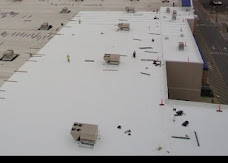
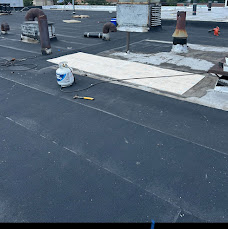
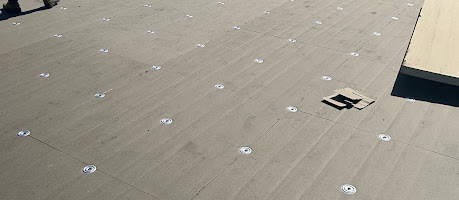
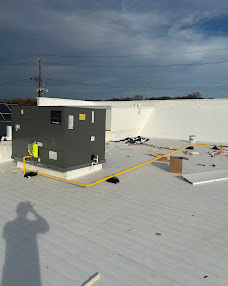
Roof surfaces, preparation, and equipment details
Examples from Maximum Roofing’s roofing work. These photos show roof conditions and installation details; their locations are not verified as Brooklyn.
Explore this Brooklyn roofing guide
Finding the source of a Brooklyn roof leak
A ceiling stain shows where water became visible, not necessarily where it entered. A useful roof inspection connects the indoor leak pattern with the covering, seams, wall transitions, drains, and previous repairs above it. Maximum Roofing provides flat-roof repair for Brooklyn homes, apartment buildings, storefronts, and commercial properties.
Information that helps narrow the problem
Tell us whether water appears during every rainfall, only with wind-driven rain, or after water has collected on the roof. Identify the affected rooms or units and any recent work on skylights, rooftop equipment, or the roof itself. Photos taken safely inside the building can help explain the sequence.
What if the roof is leaking during wet weather?
Call while the leak is active so the situation can be discussed, but do not assume permanent work can begin in the rain. Safe access, the condition of the surface, and product requirements determine what is possible. Temporary measures may be appropriate until conditions allow a permanent repair. Ask what the immediate work is intended to accomplish, how long it is expected to serve, and whether a return visit is included. Keep a record of the leak pattern for the follow-up assessment.
What the inspection should establish
The assessment should identify the roof material, accessible defects, the condition around them, and any signs that a surface repair would leave a larger problem unresolved. A repair recommendation should distinguish observed damage from suspected concealed damage. Opening part of an assembly or conducting further investigation may require a separately agreed scope.
Before approving work, ask which leak or roof area the proposal addresses. A localized repair and a complete roof replacement have very different purposes, costs, and limitations. Understanding that distinction helps owners compare proposals fairly.
Commercial roofing and flat-roof repair in Brooklyn
Commercial roof planning begins with the building’s use as well as its roofing material. An apartment building, restaurant, warehouse, or occupied storefront may have different access arrangements, equipment, interior sensitivities, and approval procedures. Explain those conditions when requesting an inspection.
Occupied buildings and multiple tenants
For an apartment or mixed-use property, identify who controls roof access, which units report water entry, and who can approve the work. A marked sketch or list of affected rooms can be more useful than several unconnected photographs. Keep tenants informed about agreed access and scheduling.
Rooftop equipment and business operations
HVAC curbs, exhaust equipment, pipe penetrations, and service routes deserve attention during planning. Tell us about recent equipment installation and any areas that must remain accessible. Discuss deliveries, noise, protection of entrances, and coordination with other contractors before the schedule is agreed.
The proposed scope should explain whether it covers an isolated repair, several roof sections, restoration, or replacement. Keep roof records available for future maintenance and equipment work. Our commercial roofing page provides additional information for property managers comparing broader options.
Silicone roof coatings: when restoration makes sense
A silicone coating can be an option for a suitable existing roof. The decision starts with the condition of the underlying system, previous coatings, drainage, repairs needed, and adhesion to the prepared surface. A coating proposal should explain why the roof is a candidate.
Preparation matters as much as the finish
GAF’s guidance for silicone over asphaltic roofing includes adhesion testing and replacement of wet roofing material and insulation before coating. The actual preparation, primer, reinforcement, application rate, and curing conditions must follow the selected system’s instructions. A coating is not a substitute for correcting underlying damage. Read GAF’s system guidance.
Questions to ask before approving a coating
Ask what condition findings support restoration, which repairs are included, how existing coatings affect the recommendation, and what maintenance the finished system needs. Request the product name and written scope so you can compare proposals for equivalent work.
Maximum Roofing’s Leverett Avenue project in Staten Island illustrates this decision: our team recommended a torch-down overlay after assessing a roof that was no longer suitable for another silicone application. Your Brooklyn roof needs its own assessment. Explore our silicone roof coating services for more detail.
TPO roofing: seams, punctures, and flashing
TPO is a thermoplastic single-ply roofing membrane. Its seams are commonly joined with hot-air welding. On an existing roof, repair planning should consider the membrane’s condition, earlier patches, accessible seams, and details around curbs, drains, and roof edges.
Repair the identified defect with compatible materials
A puncture and a failed perimeter detail need different repair scopes. The roofer should identify the membrane and select compatible repair products, preparation, and procedures. GAF’s EverGuard system manual describes system-specific seam and flashing requirements; details must match the actual installed roof.
What owners should bring to the discussion
Share the installation date if known, manufacturer information, warranty documents, and records of rooftop work. If the proposed repair covers one penetration or seam, ask how the surrounding area was assessed and what conditions remain outside that repair.
For a larger project, review preparation, insulation, attachment, flashing, drainage, and warranty requirements together. A membrane name alone does not describe a complete roofing proposal. See our TPO roofing service information.
EPDM rubber roofing repair
EPDM is a synthetic rubber roofing membrane used on low-slope roofs. An inspection may focus on punctures, laps, wall terminations, pipe details, and earlier repairs. The recommendation should address the actual defect and the surrounding material’s condition.
Repair products must be compatible with the installed EPDM system. The selected manufacturer’s instructions govern cleaning, preparation, primers, tape, and flashing materials. Products and methods should not be assumed interchangeable with those used for a different membrane.
Assess the whole affected detail
Ask whether movement, adjacent flashing, or damage beneath the surface affects the repair. If a patch has failed repeatedly, provide that history rather than requesting the same treatment automatically. A useful proposal explains the intended result and any limitations associated with the older roof.
Keep existing warranty information available before work is arranged. Elevate publishes a system repair guide; product-specific instructions apply. Learn about Maximum Roofing’s EPDM roofing services.
Torch-down and modified-bitumen roofing
Modified-bitumen roofing uses asphalt-based membrane systems. Depending on the product and assembly, installation can involve heat, cold adhesive, or self-adhered materials. “Torch-down” describes an application method, not every modified-bitumen roof. GAF’s system overview explains these alternatives.
For an existing roof, inspection may identify open laps, damaged flashing, splits, punctures, or deteriorated sections. The repair recommendation should explain whether the surrounding roofing remains suitable for a localized intervention or whether a wider section needs attention.
Plan the method around the property
Discuss access, occupied areas, adjacent materials, and the proposed installation method before work begins. Heat-applied work requires appropriate professional precautions; property owners should not attempt torch repairs themselves. Ask how the contractor will prepare and connect the new work to the existing roof.
Our torch-down roofing page covers related services. For any overlay proposal, ask how the condition of the existing assembly and applicable requirements were evaluated.
Metal roofing, edge details, and transitions
Metal may form the main roof covering or appear at edges, copings, flashing, and adjoining sloped sections. A leak near metal does not establish that the visible joint is the only cause. The inspection should consider adjoining roofing, attachments, movement, and the path water takes.
Tell us whether previous work involved sealant, fasteners, panels, or wall flashing. Ask which components the repair will address and whether the proposal includes replacement of damaged material. A surface treatment should have a stated purpose and limitations.
If your Brooklyn property has a separate sloped metal roof, discuss that system directly rather than treating it as a flat-roof membrane repair. Our metal roofing services cover related inspection, repair, and replacement options.
Drainage, parapets, skylights, and waterproofing details
Flat-roof leak diagnosis often involves the connections between components. Drains, roof-to-wall transitions, skylights, pipe penetrations, and roof edges should be considered alongside the open roof surface. Describing the visible indoor symptom is the starting point for investigation.
Drainage and recurring standing water
Report where water collects and whether it remains after rainfall. Ask whether the proposed work addresses a blockage, a damaged drainage detail, or a broader drainage problem. Keep people away from unsafe areas; do not enter a damaged roof or attempt alterations to drains yourself.
Parapets and adjoining walls
At a row house or attached building, describe the relationship between the affected roof and adjoining walls. Roofing, flashing, and masonry may need separate attention. The estimate should make those responsibilities clear instead of describing all water intrusion as one generic waterproofing task.
Skylights, vents, and penetrations
Tell us whether leakage follows recent equipment or skylight work. Inspection should consider the surrounding roofing and the component itself. Discuss what is included if another trade’s work is needed. Structural concerns and specialized façade work may require additional professional assessment beyond the agreed roofing repair.
Repair, silicone restoration, overlay, or replacement?
Choose the scope from the roof’s condition and the problem you need to solve. Repeated spending on an unsuitable approach can be more disruptive than pausing to compare alternatives. Ask for the findings behind the recommendation.
| Option | Question to resolve |
|---|---|
| Localized repair | Is the damage limited, with surrounding materials that can support a compatible repair? |
| Coating restoration | Is the existing roof suitable after assessment, necessary repairs, and preparation? |
| Overlay or recover | Does the existing assembly support another roofing layer, subject to condition and applicable requirements? |
| Replacement | Do widespread deterioration, recurring problems, or underlying damage require removal and rebuilding? |
A coating adds a liquid-applied system; an overlay adds another roofing layer. Those are different scopes and should be described separately. A repair can also be part of a larger maintenance or replacement plan.
For a replacement proposal, ask which layers are removed, how concealed damage is handled, and how edges and adjoining areas are completed. Review our roof replacement information when comparing long-term options.
Understanding a Brooklyn roof repair estimate
A reliable price needs a defined scope. Roof size alone does not show the access difficulty, condition beneath the covering, number of penetrations, or preparation needed. Photographs can help start the discussion, but an unverified online price is not a substitute for assessing your property.
Compare what is included
Ask each contractor to identify the repair area, preparation or removal, materials, flashing work, cleanup, exclusions, and any written warranty terms. Establish how additional findings would be documented and approved. This makes differences between proposals easier to understand.
Explain the practical constraints early
Tell us about roof access, occupied spaces, delivery limitations, and the person authorized to approve work. If your priority is an urgent leak, distinguish temporary measures from the permanent repair you may still need.
Maximum Roofing can discuss your roof, arrange an assessment, and explain the proposed work. Call (732) 395-3945 with the property location and a short description of the concern.
Planning roof work on an occupied Brooklyn property
Before an appointment, confirm whether access is through a roof hatch, an interior route, or another agreed entrance. Identify the building representative, tenant considerations, and any paperwork needed. Share known restrictions before agreeing to the work date.
For a co-op, condo, or managed building, clarify who reviews proposals and authorizes additional work. Keep a record of the approved scope so the contractor, owner, and building representative are working from the same instructions.
Permit requirements depend on the actual work. NYC’s Department of Buildings lists some non-structural roof repairs among work that may not require a permit, while other construction requires approval. Verify the scope-specific requirements before work begins. Check NYC DOB guidance.
Weather, safe access, materials, and discoveries during inspection can affect scheduling. Ask how updates will be communicated and who should be contacted if the leak changes before the appointment.
Maintenance, roof records, and warranty questions
Keep inspection notes, repair photographs, estimates, invoices, and warranty documents together. Add records of subsequent rooftop equipment work so future leak investigations have a useful history. A simple roof log can identify whether the same area needs repeated attention.
Discuss inspection timing and drainage care with the roofing provider. Needs vary with roof condition, exposure, use, and warranty requirements. Report new leaks promptly and arrange an assessment after damage or significant rooftop work.
Material warranties and contractor workmanship coverage are different. Ask what is covered, for how long, and which exclusions or maintenance duties apply. Review the written terms for the particular project rather than assuming every repair includes full-roof protection. Explore roof maintenance and our warranty guide.
Brooklyn service coverage
Maximum Roofing serves Brooklyn property owners, including Williamsburg, Greenpoint, Bushwick, Bedford-Stuyvesant, East New York, Park Slope, Brooklyn Heights, Downtown Brooklyn, Cobble Hill, Crown Heights, Bay Ridge, Bensonhurst, Dyker Heights, Sheepshead Bay, and Coney Island.
Call with the property address and type of work to confirm availability and access arrangements. Our business is based at 11 John Street, Staten Island, NY 10302; this page describes our Brooklyn service coverage. See our service-area information for other locations.
Why discuss your roof with Maximum Roofing?
We offer repair and replacement services across several roofing systems, allowing the discussion to begin with the existing roof and your concerns. Ask us to explain the recommended scope, the alternatives considered, and what the work will leave outside its coverage.
Our published Central Avenue commercial project in Jersey City describes replacement after recurring leaks and deteriorated seams. The Fort Hill Circle project in Staten Island describes a localized slate section repair. These documented projects show different scopes; neither establishes the right solution for your Brooklyn property without an assessment.
Clear answers for property owners
50 Brooklyn roofing questions and answers
Use these answers to prepare for an inspection and compare the scope of proposed work. Recommendations and pricing depend on the condition of your property.
Getting help
Do you provide flat roof repair in Brooklyn?
Yes. Maximum Roofing serves Brooklyn homes, apartment buildings, storefronts, and commercial properties. Call with your location, roof concerns, and access information to discuss an inspection.
Do you handle active roof leaks?
Yes. Call to explain where water is entering and whether it is ongoing. Inspection timing and temporary measures depend on availability, weather, and safe access.
What should I do before help arrives?
Keep people away from affected areas and electrical hazards. Move belongings only if safe, document visible damage from indoors, and avoid climbing onto a wet or damaged roof.
What information helps when I call?
Provide the property address, a callback number, affected rooms or units, when the leak appears, and any known roof material, repair history, or recent equipment work.
Can I send photographs of a leak?
Yes. Email photos taken safely indoors or from the ground with the property location. Photos provide context, but they may not establish the entry point or complete repair scope.
Do you guarantee same-day roof repair?
No fixed response time is promised on this page. Call to discuss current availability, the condition of the roof, safe access, weather, and the work needed.
Will you inspect the roof before recommending replacement?
An assessment should establish the condition and scope before a recommendation is made. Ask which findings support replacement and whether a smaller repair remains practical.
Is a ceiling stain directly below the roof leak?
Not necessarily. Water can travel through a building before becoming visible. The roof details and indoor leak history need to be considered together.
Can a leak come from a wall or skylight?
Yes. Adjoining walls, flashing, skylights, and penetrations can be involved. Inspection should identify whether the proposed repair concerns roofing, another component, or more than one area.
Should I climb onto the roof to inspect it?
Avoid accessing a wet, damaged, or unfamiliar roof. Share observations from safe locations and arrange professional access rather than risking a fall or further damage.
Coatings and roof systems
Is silicone coating suitable for every flat roof?
No. Suitability depends on the existing roof, previous treatments, required repairs, and compatibility. A coating recommendation should explain the findings that make restoration appropriate.
Can silicone replace damaged insulation?
No. A coating does not replace wet or damaged underlying material. The inspection and scope must address underlying problems before deciding whether a coating system is suitable.
Can another coating go over an old coating?
Sometimes, depending on the existing material, adhesion, condition, and selected system. Provide the previous product information if available and request the preparation requirements in the proposal.
Is a silicone coating the same as an overlay?
No. A coating is liquid-applied; an overlay adds a new roofing layer. Their preparation, suitability, cost, and limitations differ and should be described separately.
Will a coating fix every drainage problem?
No. A coating should not be assumed to correct blocked drainage or the roof’s shape. Ask how observed drainage concerns will be addressed within the proposed scope.
What should a coating estimate specify?
Ask for the product, preparation, repairs, treatment of details, application requirements, exclusions, and warranty terms. Compare proposals for the same work rather than the coating name alone.
Do you repair TPO roofs in Brooklyn?
Yes. We provide TPO roofing service, including assessment of seams, punctures, flashing, and related leak concerns. Repair details must be compatible with the installed system.
Are TPO repairs the same as EPDM repairs?
No. The membranes and repair methods differ. The roof material must be identified so compatible products and manufacturer-specific preparation and detailing can be selected.
Does a white roof always mean it is TPO?
No. Color alone does not identify the roofing system. Installation records, product information, and an inspection help determine which material is present.
Do you repair EPDM rubber roofs?
Yes. Maximum Roofing provides EPDM roof services. The assessment considers the reported leak, membrane condition, laps, terminations, penetrations, and previous repairs before defining the work.
Repair details and alternatives
Can I use ordinary roof cement on any membrane?
Do not assume a general repair product is compatible. Identify the roofing system and follow its manufacturer’s repair requirements before applying materials that could complicate subsequent repairs.
Do you repair torch-down roofs?
Yes. We assess torch-down and modified-bitumen roofs for leak-related damage, including laps, flashing, and deteriorated sections, and discuss an appropriate repair scope.
Is all modified-bitumen roofing torch applied?
No. Modified-bitumen systems can use different application methods, including heat, cold adhesive, or self-adhered products. The method depends on the specified product and assembly.
Can you repair metal roof details?
Yes. We provide metal roofing services and assess associated panels, fasteners, flashing, and transitions. A sloped metal roof may require a different scope from an adjoining flat roof.
Do you inspect drains and scuppers?
Drainage details should be considered during a flat-roof assessment. Tell us where water collects and ask whether drainage work is included or requires a separate scope.
Can parapet flashing cause a roof leak?
Yes. The transition between the roof and adjoining wall may be involved. Inspection should distinguish roofing and flashing defects from masonry or other wall-related concerns.
Can rooftop HVAC work be relevant to a leak?
Yes. Recent equipment work is useful background for an inspection. Provide the timing and location so surrounding roofing, penetrations, and access routes can be considered.
Can one section be repaired instead of the entire roof?
Sometimes. A localized scope may be suitable when damage is limited and adjoining roofing remains serviceable. The recommendation should explain the inspected condition and repair boundaries.
When should I compare repair with replacement?
Compare them when leaks recur, deterioration is extensive, or the proposed repair leaves major concerns unresolved. Ask for the findings supporting each option and its limitations.
Can a new roofing layer be installed over the old roof?
An overlay may be an option for some assemblies. Existing condition, underlying materials, and applicable requirements must be assessed before another roofing layer is recommended.
Commercial properties and planning
Do you work on commercial roofs in Brooklyn?
Yes. We provide commercial roofing services for building owners and managers. Share the building use, leak history, roof access, and operational restrictions when arranging an assessment.
Do you service apartment-building roofs?
Yes. Identify the affected units, roof-access arrangements, building contact, and approval process. A consolidated leak history helps coordinate the inspection and proposed work.
Can roof work take place while a business is open?
It depends on the scope and site conditions. Discuss entrances, noise, equipment, staging, and interior protection before agreeing on how roofing work and business operations will overlap.
What should a property manager prepare?
Gather roof records, prior repair details, warranty documents, affected-unit information, access instructions, and the decision-maker’s contact details. Share any vendor paperwork requirements early.
What should a co-op or condo board review?
Review the proposed roof areas, methods, materials, exclusions, schedule assumptions, warranty terms, and procedure for additional findings. Confirm who can approve changes on the building’s behalf.
Does every roof repair require a NYC permit?
Requirements depend on the scope. NYC DOB lists some non-structural roof repairs as exempt, while other work requires approval. Check the applicable requirements before the project begins.
What happens if concealed damage is discovered?
The agreement should explain how findings are documented, priced, and approved. Ask about that process before work starts instead of assuming hidden damage is included in the original price.
How long will the repair take?
Timing depends on the scope, access, materials, weather, and any additional findings. Discuss the proposed schedule after assessment; another property’s timeline may not apply to yours.
Can roofing work be scheduled during winter?
Some work may be possible, depending on conditions and product requirements. Weather, moisture, safe access, and the selected repair method determine what can be planned.
Do you offer roof maintenance?
Yes. Discuss inspections, drainage care, and follow-up needs for the particular roof. Keep records of repairs and rooftop equipment work to support future maintenance decisions.
Estimates, coverage, and next steps
What affects flat roof repair cost?
The repair area, system, access, preparation, flashing, and underlying condition affect cost. A defined scope is more useful than comparing prices based only on roof size.
Can you give a final price from a photograph?
Photos can start the conversation, but they may not show access constraints or concealed conditions. The final scope and price should reflect an adequate assessment of the work.
What should I compare between roofing estimates?
Compare the same roof areas, preparation, removal, materials, details, cleanup, exclusions, and warranty terms. Ask how any additional work would be approved and priced.
Does every repair include a whole-roof warranty?
No. Coverage depends on the written agreement and specified work. A localized repair should not be assumed to protect unrelated areas of an older roof.
Are material and workmanship warranties the same?
No. They address different responsibilities and may have different exclusions and requirements. Review the applicable documents and ask who handles a concern after the work.
Will insurance pay for my roof repair?
Coverage is determined by your policy and insurer. Keep available photos and repair documentation, and ask the insurer about the claim process rather than assuming a roofing estimate guarantees payment.
Which Brooklyn neighborhoods do you serve?
Our coverage includes North, Central, and South Brooklyn communities listed in the service-area section above. Call with the exact address and work needed to confirm project availability.
Do you repair residential flat roofs as well as commercial roofs?
Yes. We serve homes and commercial properties with flat or low-slope roofs. Describe the roof, building use, and access so the inspection can be planned for your property.
Are the roof photographs on this page Brooklyn case studies?
The gallery contains examples from Maximum Roofing’s roofing work. Their locations are not verified as Brooklyn. Project stories linked on this page identify their documented locations.
How do I arrange a Brooklyn roof inspection?
Call (732) 395-3945 or email jamesleo@maximumroofing.us with the property location and concern. We can discuss availability, access, and the next step for assessing your roof.
Discuss your Brooklyn roof with Maximum Roofing
Send the property location, a contact number, the type of building, and a short description of the concern. Include previous repair details and safe-to-take photos if available.
Email: jamesleo@maximumroofing.us
Opening the email link creates a message in your email app. Review and send it there.