Roof Repair • Roofing Repairs • Roof Leak Repair • Staten Island NY (732) 395-3945jamesleo@maximumroofing.us
Maximum Roofing • Staten Island Roof Repair Guide

Roof Repair Staten Island, NY: Complete Roofing Repair Guide

This in-depth guide explains roofing repairs for Staten Island homes and commercial buildings, including roof leak repair, shingle repair, flat roof repair, TPO repair, EPDM repair, torch down repair, silicone roof repair, flashing repair, storm damage repair, and emergency roofing repairs.

If you need service now, visit our Roof Repair page or call Maximum Roofing for a free estimate.

What This Guide Covers

  • Roof leak repair and emergency roofing repairs
  • Shingle, flashing, chimney, skylight and vent leaks
  • Flat roof repairs: TPO, EPDM, torch down and silicone
  • Storm damage, inspections, costs and insurance basics
  • Repair vs replacement and 40 detailed FAQs

Roof Repair Table of Contents

Use this guide as a complete educational resource. It is designed to help Staten Island property owners understand common roofing problems, how repairs work, when repair is enough, and when a larger roofing solution may be needed.

What Is Roof Repair?

Roof repair is the process of identifying and correcting specific roofing problems before they cause larger damage. A roof repair may involve replacing missing shingles, sealing a flat roof puncture, repairing flashing, correcting a chimney leak, patching TPO or EPDM, repairing torch down roofing, addressing storm damage, or stopping water from entering the structure.

The most important part of roof repair is accurate diagnosis. A ceiling stain does not always appear directly below the leak source. Water can enter at one point, travel along decking, insulation, rafters, or ceiling framing, and show up somewhere else.

Maximum Roofing tip: A small leak should never be ignored. Early roofing repairs are usually easier, cleaner, and less expensive than waiting until water reaches the interior, insulation, decking, or structural framing.

Warning Signs Your Roof Needs Repair

Staten Island roofs deal with heavy rain, coastal wind, summer heat, winter freeze-thaw cycles and storm exposure. These warning signs should be inspected before they turn into bigger problems.

Missing or lifted shingles

Wind can lift shingles or tear them away, exposing underlayment and decking to water.

Ceiling stains

Brown or yellow stains often mean water has already entered the roofing system.

Damaged flashing

Flashing failures around chimneys, walls, vents and skylights are common leak sources.

Flat roof ponding

Standing water can stress seams, flashings and membranes on low-slope roofs.

Granules in gutters

Granule loss may indicate asphalt shingles are aging or wearing down.

Storm debris

Branches and wind-blown debris can puncture flat roofs or damage shingles and gutters.

Roof Leak Repair in Staten Island

Roof leak repair begins by tracing the source of water. The leak may come from a roofing material failure, but many leaks begin at transitions: chimneys, skylights, sidewalls, roof edges, valleys, vents, drains, seams and penetrations.

Interior stains are useful clues, but they do not always identify the source. Water can run under shingles, behind siding, along rafters or across ceiling materials. A proper repair considers the entire path water may be taking.

Common roof leak repair areas

  • Shingle roof leaks after storms
  • Chimney flashing leaks
  • Skylight flashing and curb leaks
  • Vent pipe boot leaks
  • Flat roof membrane punctures
  • TPO and EPDM seam issues
  • Roof edge and gutter-related leaks
  • Valley leaks and sidewall flashing problems

Shingle Roof Repair

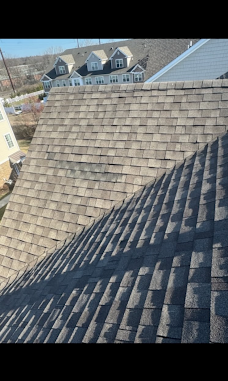
Asphalt shingle roof repair is common on Staten Island homes. Shingles can crack, curl, lift, lose granules or blow off after storms. A few missing shingles may seem minor, but exposed areas can let water reach the underlayment or roof deck.

Shingle ProblemWhy It MattersPossible Repair
Missing shinglesExposes the roof to water and wind.Replace matching shingles and inspect surrounding area.
Curled shinglesCan allow wind-driven rain underneath.Evaluate age; repair or replacement may be needed.
Cracked shinglesCreates openings in the roof surface.Replace affected shingles and check underlayment.
Granule lossReduces UV protection and may signal aging.Inspect roof condition and remaining life.

Flashing Repair

Flashing is one of the most important parts of any roofing system. It protects areas where the roof meets another surface or where something penetrates the roof. Many roof leaks are not caused by the main roofing material but by failed flashing.

  • Chimney flashing and counterflashing
  • Step flashing at walls and dormers
  • Skylight flashing
  • Roof vent flashing
  • Valley flashing
  • Flat roof edge flashing
  • Parapet wall flashing on commercial buildings

Flat Roof Repair: TPO, EPDM, Torch Down and Silicone

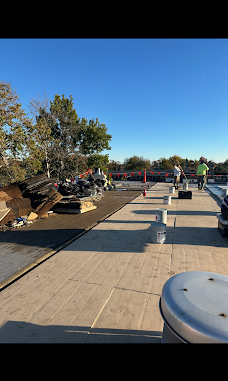
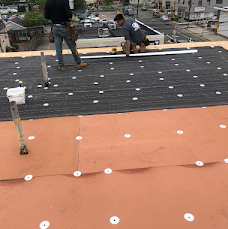
Flat roof repair requires a different approach than shingle repair. Flat and low-slope roofs depend heavily on seams, drainage, flashings, penetrations and membrane condition. Common problems include ponding water, punctures, open seams, clogged drains, HVAC-related damage, roof edge problems and aging coatings.

TPO roof repair

TPO repairs may involve welding patches, correcting seam issues, repairing flashing and addressing membrane punctures.

EPDM roof repair

EPDM rubber roof repairs may involve compatible patches, seam repair, flashing repair and adhesive preparation.

Torch down roof repair

Torch down and modified bitumen roof repairs may address seams, cracks, punctures, flashing failures and worn areas.

Silicone roof repair

Silicone-coated roofs can often be repaired when the coating is damaged locally. The roof must be cleaned and prepared, and underlying issues must be corrected.

TPO Roofing

Storm Damage Roof Repair

Staten Island roofs can be damaged by wind, heavy rain, debris, branches, snow, freeze-thaw movement and coastal storms. Storm damage is not always obvious from the ground. A lifted shingle, opened seam or punctured flat roof may not leak immediately, but it can become a water entry point during the next storm.

  • Missing shingles or shingles in the yard
  • Loose gutters or damaged downspouts
  • Branches, debris or punctures on the roof
  • New ceiling stains or attic moisture
  • Loose flashing around chimneys, vents or walls
  • Flat roof ponding or drain blockage

Emergency Roof Repair

Emergency roof repair is needed when water is actively entering a home or building, when storm damage exposes the roof, or when a roof problem creates immediate risk. In some cases, temporary protection may be the first step. Permanent repair may follow once the roof is dry, safe and ready for proper materials.

Roof Inspection Checklist

A careful roof inspection helps determine whether roofing repairs are needed and what type of repair makes sense. A good inspection looks at the roof as a system, not just one visible leak.

Exterior roof inspection

  • Shingles or membrane condition
  • Flashing around penetrations
  • Valleys, edges and transitions
  • Gutters, downspouts and drainage
  • Flat roof seams, drains and ponding areas
  • Storm damage and debris

Interior clues

  • Ceiling stains
  • Attic moisture
  • Wet insulation
  • Mold or musty odor
  • Peeling paint near ceilings
  • Water marks around skylights or chimneys

Roof Repair Costs in Staten Island

Roof repair costs vary because roof problems vary. A simple shingle repair is not the same as replacing damaged decking, repairing chimney flashing, restoring a flat roof seam, correcting drainage, or responding to emergency storm damage.

Cost FactorWhy It Matters
Roof typeShingle, TPO, EPDM, torch down and silicone systems require different repair methods.
Leak locationChimneys, skylights, valleys, roof edges and vents can require detailed work.
Access and heightSteep, tall or hard-to-access roofs may require more labor and safety setup.
Damage sizeSmall isolated repairs cost less than widespread roof damage.
Decking conditionSoft or rotted decking may need replacement before the roof surface is repaired.

Roof Repair vs Roof Replacement

Not every leak means a full replacement is needed. At the same time, repeated repairs on a failing roof can become expensive and frustrating. The key is determining whether the problem is isolated or part of a larger roof failure.

Roof Repair May Make Sense WhenRoof Replacement May Make Sense When
The damage is isolated to one area.The roof has widespread deterioration.
The roof is not near the end of its lifespan.The roof is old and repairs keep returning.
Decking appears sound.Decking is soft, rotted or water damaged.
Flashing or one penetration is the problem.Multiple leak points exist across the roof.

Roof Maintenance Tips

  • Inspect the roof after major storms.
  • Keep gutters and drains clear.
  • Remove debris from flat roofs.
  • Watch for missing shingles and loose flashing.
  • Check attic areas for moisture or staining.
  • Do not ignore small ceiling stains.
  • Schedule professional inspections for older roofs.
  • Repair minor problems before they spread.

Roof Repair Service Across Staten Island

Maximum Roofing provides roof leak repair, shingle repair, flat roof repair, flashing repair, storm damage repair, and emergency roof repair throughout Staten Island.

North Shore

We serve areas such as St. George, Tompkinsville, Stapleton, Clifton, Rosebank, Port Richmond, West Brighton, Mariners Harbor, New Brighton, and nearby communities.

Mid-Island & East Shore

We also serve New Dorp, Dongan Hills, South Beach, Midland Beach, Oakwood, Bay Terrace, Willowbrook, Bulls Head, Westerleigh, and surrounding Staten Island neighborhoods.

South Shore

Our roof repair service area includes Great Kills, Eltingville, Annadale, Huguenot, Princes Bay, Tottenville, Charleston, Rossville, Woodrow, Pleasant Plains, and nearby South Shore areas.

Real Google Review Highlights

★★★★★

“So far they did my roof, excellent job now they’re working on vinyl siding. Great roofing company for Staten Island, New York.”

— Brad M.
★★★★★

“Highly recommended. They did a good job with my commercial flat roof.”

— eltocico
★★★★★

“They did what they said they were going to do. Stopped my leaks. Very friendly customer service.”

— Gabiel

Need Roof Repair in Staten Island?

Call Maximum Roofing for roof leak repair, shingle repair, flat roof repair, TPO repair, EPDM repair, torch down repair, flashing repair, storm damage repair and emergency roofing repairs.

40 Roof Repair FAQs

These roof repair FAQs answer homeowner and property owner questions about roofing repairs, roof leaks, shingles, flat roofs, storm damage, emergency repair and roof replacement decisions.

What is roof repair?

Roof repair is the process of finding and fixing a specific roofing problem before it becomes a larger failure. It can include shingle repair, flashing repair, roof leak repair, flat roof patching, TPO repair, EPDM repair, torch down repair, storm damage repair, and emergency temporary protection.

What are the most common signs that I need roof repair?

Common warning signs include missing shingles, cracked shingles, curled shingles, loose flashing, ceiling stains, attic moisture, granules in gutters, clogged gutters, ponding water on flat roofs, damaged skylight flashing, chimney leaks, and new leaks after storms.

How fast should I repair a roof leak?

A roof leak should be inspected as soon as possible. Water can travel under roofing materials and show up far away from the original leak source. Waiting can lead to insulation damage, ceiling stains, mold risk, rotted decking, damaged framing, and more expensive repairs.

Can a leaking roof be repaired instead of replaced?

Yes. Many leaking roofs can be repaired when the damage is isolated and the rest of the roof is still in usable condition. Replacement becomes more likely when the roof is old, repeatedly leaking, sagging, widely deteriorated, or has soft decking.

How do I know if I need repair or replacement?

Repair is usually best when damage is limited and the surrounding roof still performs well. Replacement may be better when there are multiple leak points, severe age, widespread shingle failure, repeated repairs, rotten decking, or major storm damage. A roof inspection helps determine the right choice.

Can missing shingles be replaced individually?

Yes. Individual shingles can often be replaced if the surrounding roof is still flexible and in good condition. The repair should be done carefully so nearby shingles are not damaged and the replacement section is properly sealed.

What causes shingles to curl or crack?

Shingles can curl or crack because of age, heat, poor attic ventilation, storm exposure, manufacturing wear, moisture, or improper installation. Curling and cracking can allow wind-driven rain to get beneath the shingles.

What is flashing repair?

Flashing repair fixes the metal or waterproof transition details around chimneys, skylights, walls, valleys, vents, dormers, roof edges, and other vulnerable areas. Many roof leaks start at flashing details rather than the center of the roof surface.

Why does chimney flashing leak?

Chimney flashing can leak when step flashing, counterflashing, mortar, sealant, or surrounding shingles fail. Chimneys move differently than the roof and collect water around their base, so details must be inspected carefully.

Do skylight leaks always mean the skylight is bad?

No. Some skylight leaks come from flashing, roof materials around the skylight, curb issues, seal failure, or condensation. The entire skylight area should be inspected before deciding whether repair or replacement is needed.

Can roof vents leak?

Yes. Roof vents can leak from cracked rubber boots, failed flashing, exposed nails, lifted shingles, or aging sealant. Vent pipe boots are common leak sources on residential roofs.

Can gutters cause roof leaks?

Yes. Clogged or damaged gutters can cause water to back up near roof edges, damage fascia, soak eaves, and contribute to roof edge leaks. Gutters and roof edges should be checked together.

What is emergency roof repair?

Emergency roof repair is urgent work used when water is actively entering the property or storm damage has exposed the roof. Temporary protection may be used first, followed by permanent repair once conditions are safe and dry.

Can roof repair be done in the rain?

Permanent repairs are usually best done in dry conditions. During rain, temporary emergency protection may be possible, but many roofing materials need clean and dry surfaces to bond or seal correctly.

Can roof repair be done in winter?

Some repairs can be done in winter, but temperature, snow, ice, safety, wind, and manufacturer requirements matter. Emergency repairs may be handled differently from planned repairs.

What causes flat roof leaks?

Flat roof leaks are commonly caused by open seams, punctures, ponding water, clogged drains, failed flashing, roof edge problems, membrane shrinkage, foot traffic, HVAC equipment, and aging coatings.

Can flat roofs be repaired?

Yes. Many flat roofs can be repaired if the membrane or roof surface is still in reasonable condition. Repairs may include seam repair, patches, flashing repair, drain work, puncture repair, or coating touch-ups.

What is TPO roof repair?

TPO roof repair may include heat-welded patches, seam corrections, flashing repair, membrane puncture repair, and roof edge repair. The surface must be clean and compatible with the repair method.

Can EPDM rubber roofing be repaired?

Yes. EPDM can often be repaired with compatible patches, seam products, adhesive preparation, flashing repair, and detail work. Proper cleaning and priming are important for bond strength.

Can torch down roofing be repaired?

Yes. Torch down and modified bitumen roofs can often be repaired when damage is localized. Repairs may include patching cracks, seams, flashing, punctures, or worn areas.

Can silicone coated roofs be repaired?

Yes. Silicone-coated roofs can often be repaired or touched up when damage is limited. The area must be cleaned and prepared, and underlying roof issues must be corrected first.

What is ponding water?

Ponding water is water that remains on a flat roof after rainfall. It can stress seams, accelerate wear, attract debris, and reveal drainage problems. Persistent ponding should be inspected.

Does ponding water always mean replacement?

No. Ponding water does not always require replacement. Sometimes drain cleaning, localized repair, or drainage improvements help. Severe or repeated ponding may require a larger roofing solution.

How do storms damage roofs?

Storms can lift shingles, open seams, damage flashing, knock debris onto the roof, puncture membranes, loosen gutters, and expose underlayment. Some storm damage is hidden from the ground.

What should I do after a storm?

Safely inspect from the ground, look for missing shingles, damaged gutters, debris, interior stains, and loose flashing. Do not climb onto a wet or damaged roof. Schedule an inspection if anything looks wrong.

Can wind lift shingles without removing them?

Yes. Wind can break shingle seals and lift tabs without tearing them off. Lifted shingles may look normal from the ground but can leak during future storms.

Does insurance cover roof repair?

Coverage depends on the policy and cause of damage. Sudden storm damage may be treated differently from age-related wear or neglected maintenance. Your insurance carrier determines coverage.

Should I file an insurance claim for roof damage?

It depends on damage size, deductible, policy terms, and cause. Document the roof condition and consult your insurer if storm damage may be covered.

How much does roof repair cost in Staten Island?

Cost depends on roof type, damage size, leak location, access, height, materials, flashing details, roof slope, and whether decking or interior damage is involved. A roof inspection is needed for an accurate estimate.

Why do roof repair costs vary so much?

A simple shingle repair is very different from chimney flashing repair, flat roof seam repair, soft decking replacement, storm damage repair, or emergency leak response. Labor, materials, access, and complexity drive the cost.

How long does roof repair take?

Small repairs may be completed quickly, while larger repairs take longer depending on roof type, damage, weather, materials, access, and safety requirements.

How long should a roof repair last?

A good repair can last for years when the surrounding roof is still in good shape. Repairs may not last as long on an old or widely failing roof.

Why did my roof leak come back?

Leaks can return if the original source was misdiagnosed, multiple leak points exist, surrounding materials continue failing, or the roof is near the end of its life.

Can one roof leak have multiple sources?

Yes. A roof can have more than one leak source, such as a chimney flashing issue and a vent leak at the same time.

Can water travel before showing inside?

Yes. Water can travel along decking, rafters, insulation, and ceiling materials before showing up far from the original entry point.

What is a roof inspection?

A roof inspection checks shingles or membrane, flashing, valleys, roof edges, gutters, drainage, penetrations, flat roof seams, attic signs, and visible damage to determine the repair needed.

How often should a roof be inspected?

Most roofs should be inspected at least once a year and after major storms. Older roofs, flat roofs, commercial roofs, and roofs with past leaks may need more frequent inspections.

What can homeowners check from the ground?

Look for missing shingles, damaged gutters, sagging rooflines, loose flashing, debris, moss, stained siding, and visible storm damage. Avoid climbing on the roof if you are not trained.

What does attic moisture mean?

Attic moisture may come from roof leaks, ventilation problems, condensation, insulation issues, or exhaust fan problems. It should be investigated before it damages wood or insulation.

Does poor ventilation damage a roof?

Yes. Poor ventilation can trap heat and moisture, shorten shingle life, increase attic temperature, contribute to condensation, and affect indoor comfort.
Request Your Free Staten Island Roof Repair Estimate

Tell us about your roof leak, roof type, storm damage, flashing concern, shingle issue, flat roof problem, or emergency repair need. Maximum Roofing will review the details and recommend the right next step.

Phone: (732) 395-3945
Email: jamesleo@maximumroofing.us